
Updated: 7 September 2026 23:36:59
UN Human Rights Chief Renews Call to End Devastating War in Sudan
moatinon
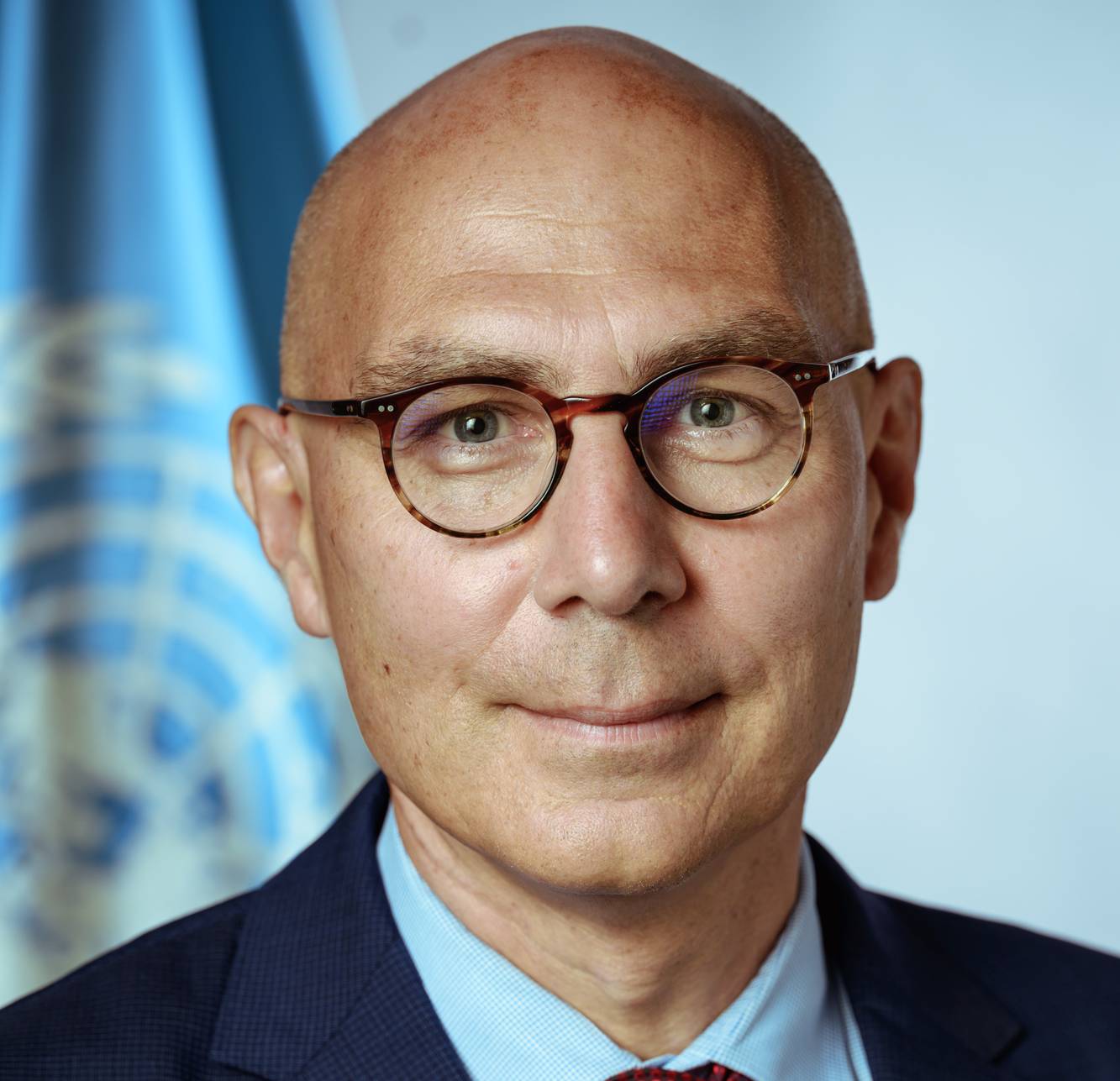
UN High Commissioner for Human Rights Volker Türk has renewed his call for an end to the war in Sudan, warning of continued attacks targeting civilians, facilities and vital infrastructure. He again called for an immediate ceasefire, an end to foreign intervention and a return to inclusive civilian rule.
The war in Sudan dominated Monday’s session of the UN Human Rights Council as the conflict between the Sudanese Armed Forces (SAF) and the Rapid Support Forces (RSF) entered its fourth year, leaving behind one of the world’s largest humanitarian crises. According to figures presented to the Council, more than 6 million people have been displaced within Sudan, while around 4.5 million others have crossed the country’s borders in search of safety.
Türk warned of deteriorating conditions in Kordofan, Blue Nile, and northern and western Darfur, stressing that civilians continue to face imminent danger. Ending the crisis, he said, requires "an immediate ceasefire, an end to foreign intervention, and a return to inclusive civilian rule."
The High Commissioner’s appeal came after the release of a new report by the UN Independent International Fact-Finding Mission for Sudan, established by the Human Rights Council in 2023 to investigate alleged human rights violations and violations of international humanitarian law in the context of the conflict.
The mission’s report highlighted the growing use of long-range drones against civilians, as well as external support received by the parties to the conflict, particularly the RSF, from networks and entities linked to the United Arab Emirates, Chad, southeastern Libya and Puntland in Somalia, according to the mission.
Briefing the Council, mission chair Mohamed Chande Othman said the use of long-range drones "has pushed attacks far beyond traditional front lines," resulting in civilians being killed and injured in their homes, schools, hospitals, markets, displacement sites and places of refuge, as well as during weddings, funerals and other community gatherings.
In North Kordofan, Othman warned that repeated RSF attacks on El Obeid had affected water and power supplies and other vital civilian infrastructure. Residents face "repeated aerial threats, displacement and pressure on already overstretched essential services," as the RSF maintains a partial siege of the city.
The mission’s report also documented attacks by both sides against civilians. It cited "successive attacks" by the RSF using drones against a kindergarten and a hospital in Kalogi, South Kordofan, which killed 114 people, including 60 children. It also reported attacks by the SAF on El Daein Teaching Hospital in East Darfur that killed at least 70 people.
Addressing the Council, Othman said: "Based on the evidence collected, we found reasonable grounds to believe that both the Sudanese Armed Forces and the Rapid Support Forces committed serious violations of human rights and international humanitarian law, which may amount to war crimes."
Meanwhile, the World Health Organization (WHO) stressed the urgent need to rehabilitate three of Khartoum State’s main referral and teaching hospitals following a field visit by its representative in Sudan, Dr. Abdel Nasser Abu Bakr.
Before the war, Khartoum Teaching Hospital, the Eye Hospital and the Dental Hospital were among the country’s major referral and teaching facilities. Their buildings and medical equipment, however, have sustained extensive damage during the conflict.
WHO said the condition of the hospitals reflects the scale of damage inflicted on health facilities across Sudan. Abu Bakr said operating theatres had been destroyed, imaging equipment lost and several wards collapsed, leaving entire buildings and departments out of service. He stressed that the facilities require urgent structural rehabilitation before they can safely receive patients.
