
Updated: 5 September 2026 12:33:28
AL-FAAL For Relief… When All of Sudan Is In the Heart
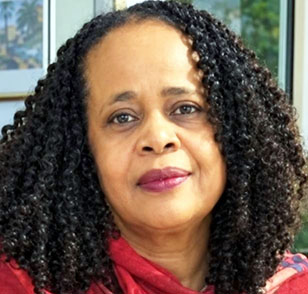
Despite the brief period that has passed since the founding of Al-Faal Organization for Relief and Development in the Austrian capital, Vienna—just eight months after the outbreak of the war in Sudan—it has delivered work that reassures the heart about the true meaning of solidarity, and the meaning of Faal (good omen/hope).
With high motivation and strong resolve, the Al-Faal team in Vienna, led by Dr. Abdallah El-Tayeb, began working with utmost dedication and sincerity. Within a short span of time, they managed to reach the majority of Sudans regions, making the entire homeland the compass of their awareness and destination.
They knew that all of our country resides in the heart; that whatever afflicts the West breaks the strength of the East, brings tears to the eyes of the North, and extends its pain to the heart of El Gezira. To them, Sudan is one body—if pain strikes any part of it, the entire body of the nation responds with anguish.
Thus, they moved forward carrying the message of relief, embodying solidarity through action. They believe that Sudan, in its ordeal, needs hearts that understand the homeland cannot be divided, and that true Faal means standing together when hardships intensify. The meaning of the name Al-Faal reflects the spirit and vision of the organization: seeking goodness and hope amid difficult circumstances, and translating that into tangible action. From this standpoint, since the outbreak of the war, the organization has strived to deliver relief to as many affected areas as possible, operating within available capabilities to respond to growing humanitarian needs.
Highlighting their efforts is essential. As a writer and media professional who has closely witnessed their work, it is my duty to shed light on what they do. Day and night, they work tirelessly so that Al-Faal reaches everyone who places hope in it. They have left neither the young without the joy of holidays nor families without support as they face the brutality of war and the fangs of hunger.
Relief… From Food to Health, Across All of Sudan
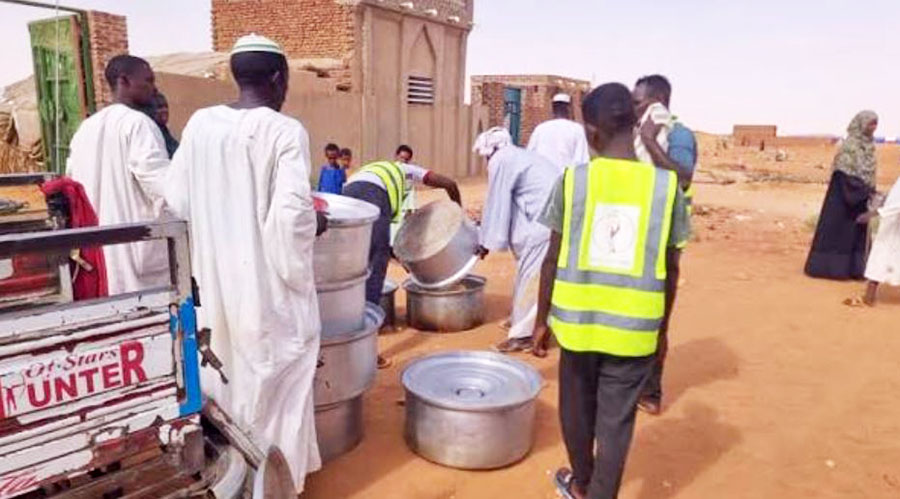
Dr. Abdallah El-Tayeb provided an account of the nature of the organizations work in Sudan after the outbreak of the war, and the areas Al-Faal has successfully reached. Al-Faal Organization for Relief and Development intensified its relief efforts in response to the growing humanitarian needs imposed by the war, both inside Sudan and in neighboring countries. The organizations core focus has been feeding displaced persons and refugees by providing cooked meals in camps, shelters, and overcrowded areas, alongside distributing food baskets in relatively stable regions.
In the area of shelter, the organization worked to provide tents and plastic tarpaulins for families affected by rains and floods, particularly in the Northern State and White Nile State. It also paid special attention to clothing and protection from the cold, distributing clothes and blankets to displaced persons from El Fasher in the Al-Dabbah area (Northern State), the Golo camp in the Jebel Marra region, and the Kassab area in North Darfur State, in addition to supporting Sudanese refugees in the Adré and Jebel camps in eastern Chad.
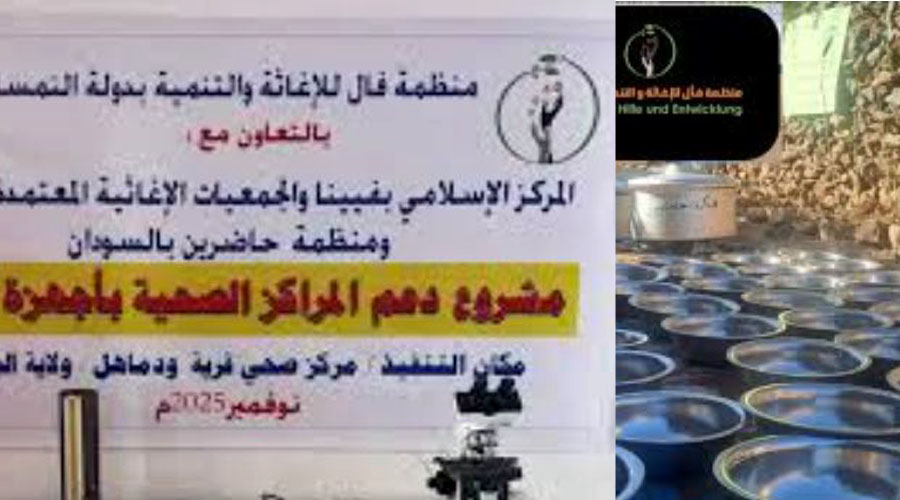
In the health sector, the organization provided medical support to Al-Nau Hospital in Omdurman and contributed essential medical equipment and devices to 17 hospitals and health centers across 11 states.
Through these wide-ranging efforts, Al-Faal Organization succeeded in delivering aid to most of Sudans states—with the exception of East Darfur, which remained unreachable due to security conditions and access difficulties. Furthermore, its work extended to Sudanese refugees in eastern Chad, ensuring that its humanitarian response also addressed a portion of the needs of Sudanese beyond the countrys borders.
From Planning to Reach… Relief Challenges in War Zones
In delivering aid to war-affected regions, Al-Faal relies on a structured mechanism that begins with identifying the target area, determining the level of need, and assigning the field coordinator responsible for execution. Funds are then transferred through official channels to the organizations partner inside Sudan, the Hadirin Organization. The coordinator executes the mission according to the plan, purchasing required items or organizing meal distribution and aid delivery based on the local requirements. All Al-Faal coordinators and board members serve on a completely voluntary basis, driven by their belief in the organizations mission and humanitarian role.
However, delivering relief to war-torn regions faces numerous obstacles, chief among them being liquidity shortages caused by the closure of most bank branches in those areas. Coordinators are sometimes forced to rely on local merchants to obtain cash in exchange for commissions that can reach up to 30%, placing an additional financial burden on relief efforts. Other challenges include volatile security situations, mobility restrictions, and sharp increases in commodity prices and transportation costs. These factors make reaching those in need an arduous task that requires immense flexibility and perseverance, particularly in areas experiencing intense conflict.
Women and Children… A Priority in Times of War, A Step Toward Recovery
Al-Faal currently focuses on responding to urgent humanitarian needs, with special emphasis on women and children, as they are among the groups most severely impacted by war and displacement.
Among the annual initiatives the organization prioritizes is the "Joy of Eid" campaign, which aims to provide Eid clothing for children in displacement zones and high-need areas. The campaign has covered several locations, including Khartoum, Al-Hilaliya in El Gezira State, Golo in Central Darfur, Kassab in North Darfur State, as well as the Adré and Jebel camps in Chad.
Additionally, the organization submitted a project proposal to UN Women - Geld to support women and children in Chad, alongside a project under the UN 1% initiative to rehabilitate a girls school in Khartoum State, helping to ensure the continuity of education. In the realm of livelihoods, the organization is striving to transition gradually from emergency response to economic recovery by launching small income-generating projects that help affected families regain self-reliance.
Transparency… The Foundation of Trust and Accountability
Al-Faal places paramount importance on the principles of transparency, accountability, and proper resource management, particularly since most of its funding relies on donations and community contributions.
The operational process starts with defining the need, target region, and required budget, followed by transferring funds via official channels. Activities are documented using field reports, photos, beneficiary lists, and financial records tailored to each task. Furthermore, activities and financial reports undergo thorough reviews to match expenditures with completed work, and the organizations accounts are audited by a certified public accountant.
Transparency extends beyond financial procedures. The organization actively conducts regular briefing sessions with members of the Sudanese community in Austria to outline implemented projects and answer inquiries regarding operations and fund allocations. Al-Faal views the trust of donors and beneficiaries as a primary responsibility, maintaining the highest standards of clarity and efficiency in managing its resources.
Bishara Hassouba: Transparency Builds Trust… and Al-Faal Makes Solidarity an Action
Attesting to the transparency and methodology of Al-Faal is the testimony of Mr. Bishara Hassouba, an active figure in the Sudanese community in Vienna who has long contributed to community service through various initiatives, most notably his support for Al-Faal.
Mr. Bishara emphasizes that Al-Faals work is magnificent, reassuring our people in Sudan that despite geographical distances, someone stands beside them and offers support. It proves that solidarity is not merely feelings or words, but a practical force arriving as direct relief and assistance.
He also commended the organizations transparency in managing donations, highlighting that it presents financial overviews outlining expenditures and fund management while addressing any questions with complete openness. Mr. Bishara noted that this transparency solidifies his confidence in the organization, prompting him to extend all possible support in appreciation of its vital role in assisting war-affected communities.
El-Hadi Ismail Teya: Al-Faal… A Name Embodied in Action
In the same context, Mr. El-Hadi Ismail Teya, a prominent figure in Sudanese community affairs and public work in Vienna, stated that Al-Faal has made its name a living reality through its work, embodying a collective spirit built on participation and giving. He shared that he works actively with the organization out of deep appreciation for its role in serving Sudanese people.
He praised the organizations efforts to extend aid across diverse regions of Sudan, noting its presence in nearly every corner of the country, with the exception of East Darfur where severe security conditions prevented entry.
He also highlighted the organizations approach to financial documentation, noting its commitment to presenting financial reports alongside project execution inside Sudan. In his view, this approach has established its credibility, earned widespread respect, and made its experience an exemplary model for Sudanese civil society organizations operating abroad.
Sudanese Women in Vienna… A Good Omen Extending to Sudan
Sudanese women in Vienna have remained deeply connected to the plight of Sudan, carrying the homeland in their hearts and constantly seeking ways to alleviate the heavy burdens imposed by war. Among those committed to Al-Faals mission and collective action, women have demonstrated a vibrant and influential presence, continuing their legacy of supporting Sudan under all circumstances.
In this context, one cannot overlook the inspiring role of Rana Mustafa Abdelmagid, one of the key initiators in founding Al-Faal. From the beginning, she nurtured the seed of the idea, deeply concerned with the conditions of those affected by the war. She walked alongside fellow advocates, believing that serving people requires an active heart and a helping hand wherever need exists.
Following this path is the experience of Taqwa Farouk Ahmed Suliman, who was chosen to serve on the Executive Committee and play an active role within it. Speaking about her motivation, she shares that serving the Sudanese community and a love for collective work were at the forefront of her decision. This spirit is far from new to her; during her years in Sudan, she was actively involved in community work, even founding a school association dedicated to cleaning and greening her school and its surroundings—an early reflection of her belief that collective action can create a lasting impact, no matter how small it begins.
A testimony also comes from the dedicated activist Suhair Idris, who has consistently stayed engaged in public affairs and never hesitated to offer a helping hand. She affirms that her experience with Al-Faal has been immensely positive, describing the organizations performance as exemplary—particularly in its ability to reach diverse communities, work closely with people, understand their priorities, and execute projects tailored to available resources and reality.
She further noted the professionalism and clarity she experienced, as well as the organizations dedication to documenting its work through video testimonials showcasing beneficiary perspectives, needs, and feedback to refine future initiatives. Here, the voice of the beneficiary becomes an active part of the work itself, rather than a passive observer.
At the center of this female presence stands the Sudanese Womens Fund, which has been an open heart for giving ever since it was founded years ago by Afaf Abdallah and Laila El-Siddiq. It did not limit its doors to the Sudanese community in Austria; its branches extended inward to support several Al-Faal projects and participate in every event hosted by the organization. Sudanese women have played a pivotal role in Al-Faals journey; despite their multiple commitments and personal worries for their families in Sudan, they continued to provide effort and financial backing, with the Sudanese Womens Fund being one of Al-Faals largest supporters.
Thus, Sudanese women in the Al-Faal experience have proven to be far more than supporters—they are partners in the idea, present in the field, and hands extending from Vienna to Sudan. It is as though Al-Faal found in this female presence another layer of its name: faith turned into action, dedication unhindered by distance, and giving that flows wherever need arises, turning geography into a symbol of loyalty to our people in Sudan.
Partnerships… Strengthening Operations and Supporting the Affected
In his closing remarks, Dr. Abdallah El-Tayeb explained that Al-Faal has built strong partnerships with Sudanese bodies in Vienna as well as active humanitarian and relief organizations across Africa and the Arab world. He added that the organization today requires sustainable funding partnerships to expand its programs in food, healthcare, shelter, and clothing, alongside supporting sustainable livelihood projects for war-affected families.
He emphasized that Al-Faals ultimate goal is to contribute to meeting humanitarian needs, foster resilience and recovery, and help those affected by the war rebuild a dignified life.
Along this path, Al-Faal Organization moves forward in the firm belief that relief work is complete only through unified efforts, and that true partnership can transform solidarity into a force that reaches those who need it most—offering the affected a pillar of support to remain resilient and reclaim their lives.
