
Updated: 3 September 2026 17:58:47
Shendi: Sudden Price Hikes Empty Markets of Customers
Moatinoon
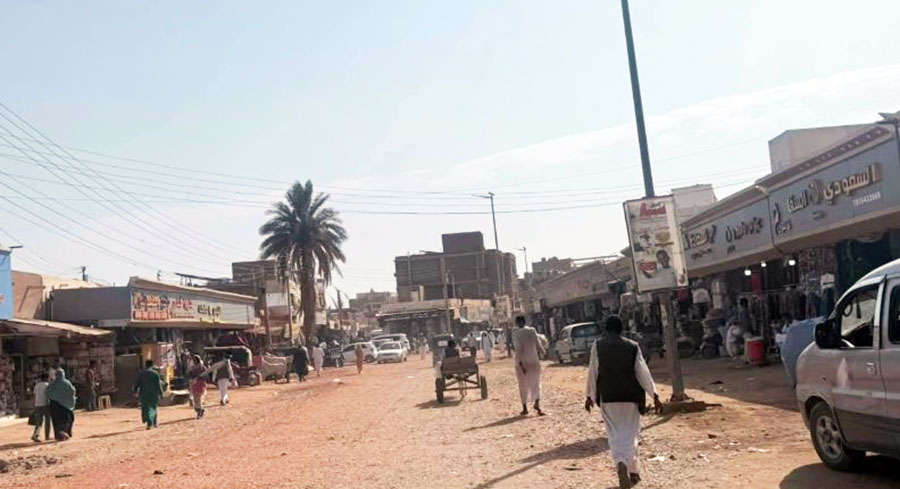
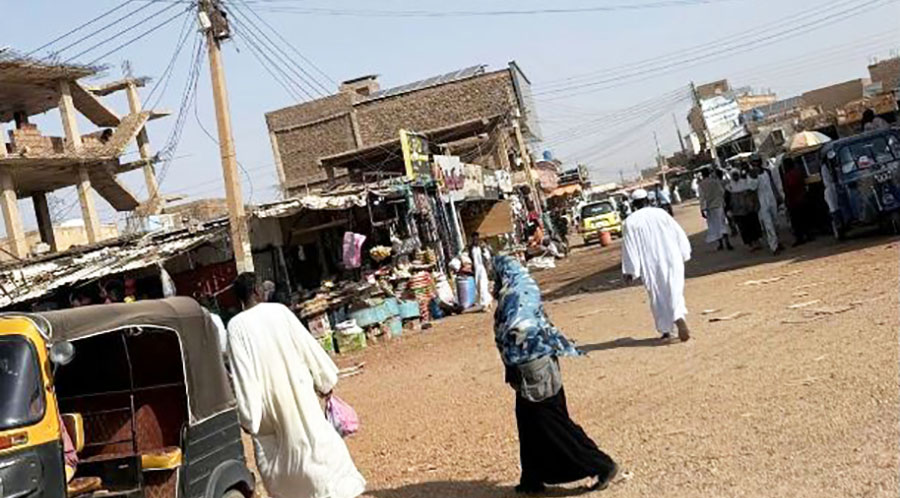
Photos and videos posted by activists and content creators over the past two days show an unusual stagnation in the market of Shendi city in River Nile State. The market streets and shops appear less crowded, with a noticeable decline in customer traffic and pedestrians. Citizens and merchants attribute this to the sudden surge in prices of basic commodities, vegetables, and meat.
According to citizens interviewed by a "Citizens" correspondent, the prices of several basic commodities have witnessed a significant increase, exceeding 20 percent in some cases within a short period. This has directly impacted purchasing activity in the market, prompting many families to reduce their purchases or limit themselves to the bare minimum of their daily needs.
Citizens reported that the price of a kilogram of sugar has risen from five to seven Sudanese pounds, while the price of a kilogram of meat has jumped from 55 to 70 pounds. This increase represents an additional burden on families already struggling with declining purchasing power and the rising cost of living. Prices for vegetables, fruits, and onions have also seen varying increases, averaging around 15 percent, according to shoppers and traders in the market.
Images circulating of the market, one of the most important commercial centers in Shendi and the surrounding areas, have sparked widespread discussion about the relationship between rising prices and the decline in daily economic activity. Markets are usually bustling, especially during the morning and afternoon hours, but videos posted by activists show large areas of the market with limited activity, while some traders stand in front of their shops waiting for customers.
A coustmer said that the price hikes in recent days came quickly and didnt give families a chance to adjust their budgets. He added that many people now enter the market to inquire about prices and then leave without buying anything, or buy less than they previously needed.
Several shoppers indicate that the price changes are not limited to a single item, but rather encompass a range of daily necessities, which exacerbates the impact on families, especially those with limited incomes and daily wage earners. The simultaneous rise in sugar, meat, and vegetable prices means increased costs for basic meals, forcing families to change their consumption patterns and reduce spending on certain food items.
Shoppers say that meat has been among the most affected by the recent price hikes, with the price per kilogram rising from 55 to 70 Egyptian pounds, making it difficult for many families to purchase their usual quantities. Some citizens, according to their reports, have begun reducing the frequency of their meat purchases or resorting to cheaper alternatives.
In the fruit and vegetable market, the approximately 15 percent price increase has impacted families daily purchases, especially since most of these goods cannot be stored for extended periods. Citizens reported that some families are now buying their daily needs in limited quantities to avoid large purchases all at once.
Merchants believe that the slowdown in market activity does not necessarily indicate a decrease in demand for goods, but rather reflects a decline in citizens purchasing power. One merchant stated that customers still need food, but they have become more cautious in prioritizing their purchases, with many inquiring about prices and comparing offers from different stores before making a purchase decision.
Traders and citizens fear that the continued price hikes will plunge the market into a prolonged recession, as sales decline for merchants while families face increasing pressure to meet their basic needs. This decrease in purchasing power, in turn, leads to a decline in capital circulation within the market, which could impact various aspects of commercial activity.
These developments come amidst the difficult economic conditions that Sudanese families have been experiencing for years, exacerbated by the war and its accompanying disruptions to trade, transportation, and production, as well as a decline in incomes. Cities hosting large numbers of displaced people bear additional strain on markets and services, while families face the ongoing challenge of balancing their needs with rising prices.
In Shendi, a vital commercial hub for the city and surrounding rural areas, citizens and merchants are anxiously monitoring price developments, demanding an investigation into the reasons behind the recent surge and action to curb speculation and unjustified price increases.
While markets remain open and goods are available in shops, the scene captured in circulated photos reflects another aspect of the economic crisis: a market overflowing with merchandise, yet customers access to it diminishes daily. As prices continue to rise, citizens fear that the stagnation witnessed in the streets of Shandi market over the past two days is indicative of a broader cost-of-living crisis, forcing families to further reduce their consumption and posing new challenges to local businesses.
