
Updated: 1 September 2026 19:53:13
Strike Paralyzes Trade in Atbara Markets
Moatinoon
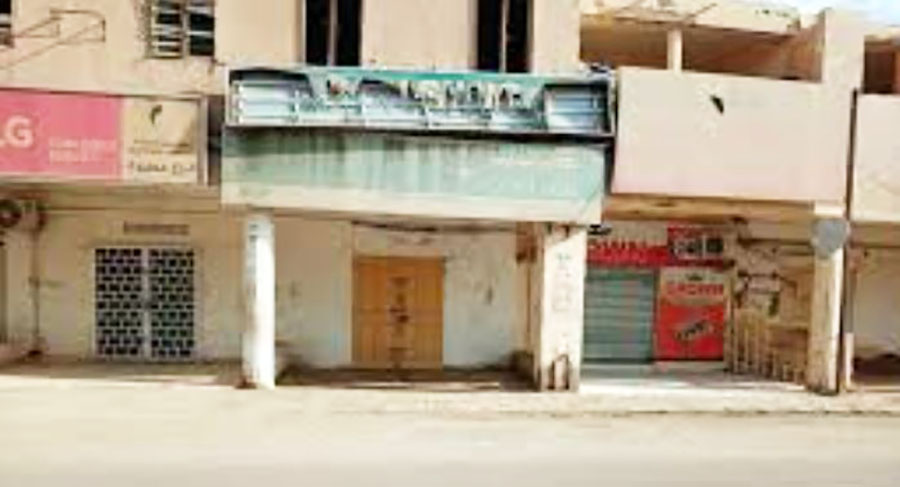
Commercial activity in the markets of Atbara city in River Nile State came to a widespread standstill last Sunday, following a one-day general strike by merchants. The strike was in protest against what they described as a significant increase in government taxes and fees, as well as escalating additional levies that they say have become an increasing burden on commercial activity amidst the difficult economic and living conditions the country is experiencing.
According to eyewitnesses, a large number of shops closed in the main markets of Atbara. This protest action followed the breakdown of negotiations between merchants representatives and the tax authority regarding a review of the fees imposed on business owners. The merchants demanded a halt to the additional fees and charges, and a review of the tax system to take into account the current economic reality and ensure greater fairness and transparency in assessing financial obligations.
Several merchants stated that the numerous taxes and fees have become one of the most significant challenges facing the continuation of their businesses, especially given the decline in citizens purchasing power and the rising costs of operation, transportation, services, and goods. The protesters believe that the continued increase in financial burdens on businesses not only affects shop owners but also directly impacts the prices of goods and services, ultimately affecting consumers.
According to merchants representatives, the escalation stems from the failure of a series of meetings and agreements held recently with relevant authorities. Several media outlets quoted Khalid Bayram, a merchant in the Atbara market and former head of the Chamber of Commerces steering committee, as saying that meetings between market representatives and the tax authority reached an impasse after failing to reach an agreement on the size of the required reductions.
Bayram stated that the authorities had made verbal promises to merchants regarding tax reductions, but these promises, he said, were not reflected in subsequent decisions. He added that the proposed reductions were considered by merchants to be limited and meager, making no real difference to the financial burdens borne by shop owners and businesses.
He clarified that the dispute is not about the principle of paying taxes itself, but rather about the amount of fees, the method of calculating them, and the multiplicity of levies imposed on commercial activity. He said that merchants are demanding a solution that takes into account the countrys economic conditions, the decline in sales volume, and the continuous rise in business operating costs.
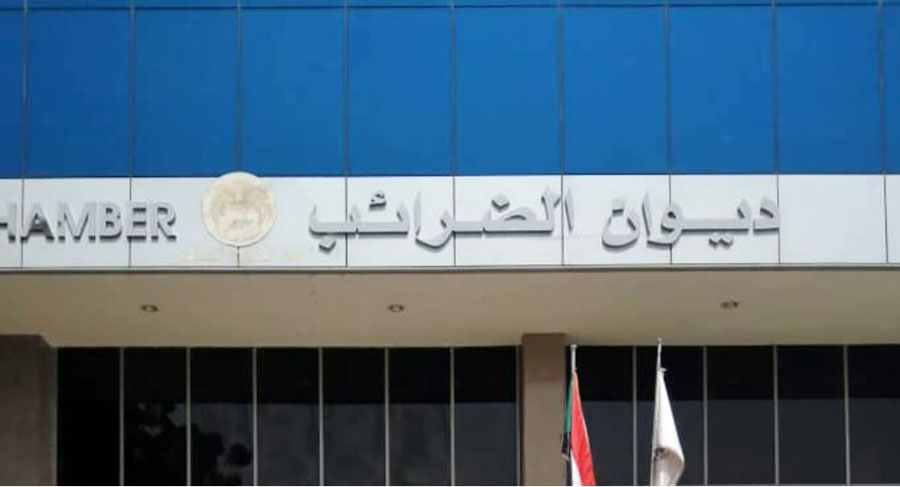
Bairam indicated that some tax officials, according to his statement, pressured a number of merchants to pay 25 percent of their financial obligations, despite a collective decision by merchants representatives not to pay under these conditions until a clear agreement is reached on the proposed demands.
He emphasized that the merchants stance resulted from consultations within the market, and that there is a consensus among broad sectors of business owners on the need to review the tax situation and the imposed fees. He added that the continuation of the crisis without a solution could lead to new protest actions in the coming period.
According to market representatives, the spark for the protest movement began with the "Shops Division," which decided to strike after what it described as the Chamber of Commerces failure to reach arrangements that would exempt the market from additional fees and charges. The movement quickly expanded to include other sectors, as shop owners and workers in various fields joined the strike, giving the protest a collective character within the citys markets.
The increased participation reflects the growing tension between traders and tax authorities, at a time when Sudanese markets in general are facing complex economic conditions. The ongoing war and its repercussions on transportation, production, and trade have led to a significant rise in the cost of goods and services, while large segments of the population are suffering from diminished purchasing power.
Traders believe that increasing taxes and fees under these circumstances could lead to further economic stagnation, as businesses are forced to pass on some of the costs to consumers, while consumers simultaneously face increasing difficulty in meeting their basic needs.
In this context, Hashim Babiker, a trader in the Atbara market, told "Mawatinoon" that the strike achieved a success rate of approximately 70% during the day of protest. He added that the strike was initially planned for only one day, and that the traders representatives committee would hold a meeting to assess the level of participation and the results of the protest before deciding on the next steps.
Babiker explained that the committee would discuss escalation options after the assessment is complete, noting that the continuation or expansion of the protest would depend on the outcome of consultations between traders representatives and government authorities, and the extent to which the demands related to taxes and fees are met.
The traders representatives are scheduled to hold a larger meeting after the strike concludes to discuss developments and determine the course of future actions. Among the options being considered, according to market representatives, is limiting the strike to a one-day protest, or escalating to more drastic measures, such as extending the closure or launching an open-ended commercial strike until new agreements are reached.
This development presents the tax authorities with a new challenge in managing their relationship with the commercial sector, which is a crucial component of the citys economic activity. Merchants hope that upcoming meetings will resolve the dispute through dialogue and lead to a clear system for determining tax obligations, free from the additional fees and levies they consider arbitrary and disproportionate to the current circumstances.
Meanwhile, citizens are awaiting the outcome of the merchants committee meeting and the negotiations with the tax authority, fearing that a prolonged strike could disrupt commercial activity and impact the availability and prices of goods.
While the first day of the strike concluded with widespread participation from various market sectors, the future of the protest remains uncertain. The traders assessment of the strikes success, along with the authorities stance on their demands, will determine whether Atbaras markets will quickly return to normal activity, or whether the dispute over taxes and fees will turn into an open-ended commercial protest in the coming days.
