
Updated: 1 September 2026 16:33:16
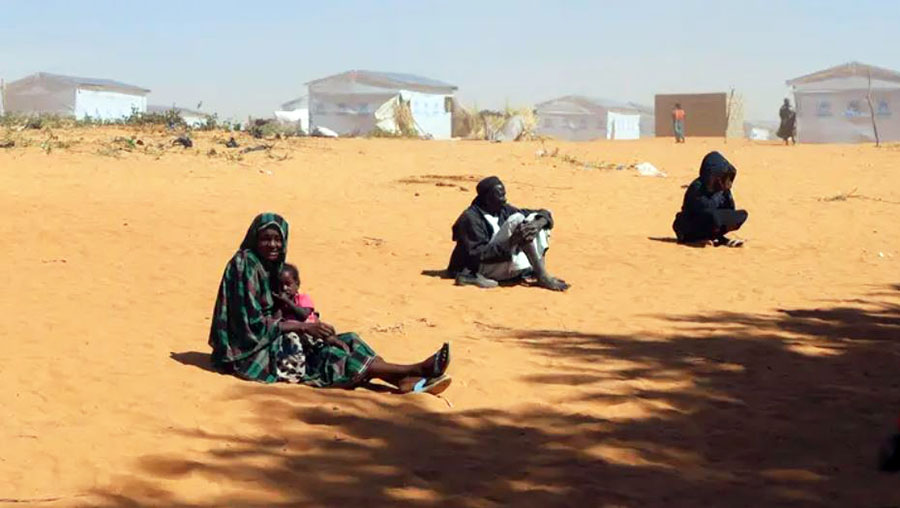
Al-Malha: A Forgotten Catastrophe Threatening the Lives of Thousands in North Darfur
Moatinoon
The Al-Malha area in North Darfur State is facing a worsening humanitarian crisis that threatens the lives of thousands of civilians. This crisis is exacerbated by escalating patterns of violations, limited humanitarian access, near-total isolation from the outside world, road closures, and the absence of humanitarian organizations. In an urgent press statement issued on August 31, 2026, the General Coordination of IDP and Refugee Camps warned of the increased risk of death due to starvation, malnutrition, the spread of disease, and a lack of healthcare services.
The Coordination stated that the humanitarian situation in the area has reached a critical stage due to the collapse of local food sources and the closure of the main road connecting Al-Malha to other areas. This has isolated residents and displaced persons from humanitarian aid and basic services.
According to the statement, approximately 6,200 children are suffering from malnutrition, including about 1,500 children with severe acute malnutrition who require urgent medical and nutritional intervention. Around 1,350 pregnant and lactating women are also facing malnutrition amidst food scarcity and inadequate health services and medical care.
The crisis extends beyond food shortages. The region is witnessing the spread of several diseases, including tuberculosis, anemia, and diarrhea, while health facilities suffer from a severe shortage of medicines and treatment. The coordination committee indicated that available medicines have become extremely limited and are only found in a few private pharmacies, making treatment difficult for families already facing dire economic and humanitarian conditions.
In Al-Malha, the crises intertwine, making daily life a constant test of survival. Closed roads not only impede movement but also prevent the delivery of food, medicine, water, and aid, while displaced people live in scattered and dispersed centers lacking the most basic necessities.
The populations reliance on unsafe water sources exacerbates health risks, especially given the poor sanitation services, which contributes to the spread of diseases and increases their severity for children, women, and the elderly. In an environment where thousands of children suffer from malnutrition, illness becomes more severe, and conditions that would normally be treatable become life-threatening.
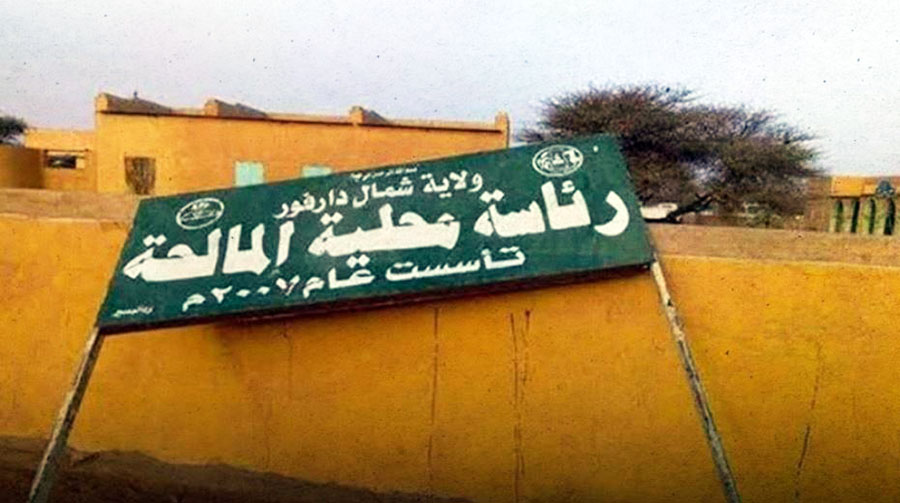
For the residents of Al-Malha, the crisis is no longer just a lack of basic necessities, but a daily reality of anxiety and uncertainty. Mothers searching for food for their children simultaneously face a shortage of medicine and the fear of illness, while patients find themselves facing limited healthcare facilities and difficulty accessing treatment.
The suffering of children appears to be the most acute. Malnutrition not only threatens their lives now, but also leaves long-term effects on their growth, health, and future. With the decline of basic services and the prevailing instability, there are growing fears that an entire generation will lose its chance at a normal life, given the decline in education and essential services that children need.
The General Coordination of IDP and Refugee Camps confirmed that the absence of humanitarian organizations from the region has exacerbated the needs, noting that displaced persons and residents lack food, clean water, medicine, and safe shelter.
Adam Rijal, spokesperson for the General Coordination of Displaced Persons and Refugees, said that what is happening in Al-Malha represents a “moral test for the global conscience,” warning that continued silence and delays in the humanitarian response could lead to further loss of life.
He added that Al-Malha has become a microcosm of the broader humanitarian crisis in Sudan, where civilians in many areas are facing the effects of war, displacement, and the collapse of basic services, with the most vulnerable groups bearing the brunt of the suffering.
The isolation of Al-Malha stands out as one of the most serious aspects of the crisis. The closure of the main road not only traps the population but also restricts access to goods, medicine, and aid, exacerbating existing shortages. With local food sources dwindling, families ability to survive depends on the availability of supplies that do not arrive regularly.
The data in the statement indicates that the crisis extends beyond the need for emergency food aid, encompassing a simultaneous collapse across multiple sectors, from food and health to water, sanitation, and shelter. This interconnectedness means that addressing one aspect of the crisis is insufficient, as each problem impacts the others.
A malnourished child is more susceptible to illness, and illness in the absence of medicine and healthcare can lead to further deterioration. Reliance on unsafe water sources contributes to the spread of disease, while inadequate food and health services weaken the populations ability to resist it.
In this context, the figures in the statement are not merely humanitarian indicators, but a picture of the daily lives of thousands of families. Behind every number is a child in need of food and medical treatment, a woman facing pregnancy or breastfeeding in dire circumstances, and a family struggling to meet their basic needs in an area increasingly isolated from the rest of the world.
The Coordination Committee called for urgent action to ensure the delivery of food, medicine, and medical services to the area, the opening of roads for humanitarian aid, and addressing the underlying conditions that have exacerbated the crisis.
With its continued isolation and shortages of food and medicine, Al-Malha remains one of the areas facing escalating danger. While the suffering of the population continues without adequate attention, the coming weeks are critical for thousands of children, women, and families living under the pressure of hunger, disease, and the collapse of services, amid fears that the current crisis could escalate into a larger humanitarian catastrophe.
