
Updated: 14 July 2026 01:24:36
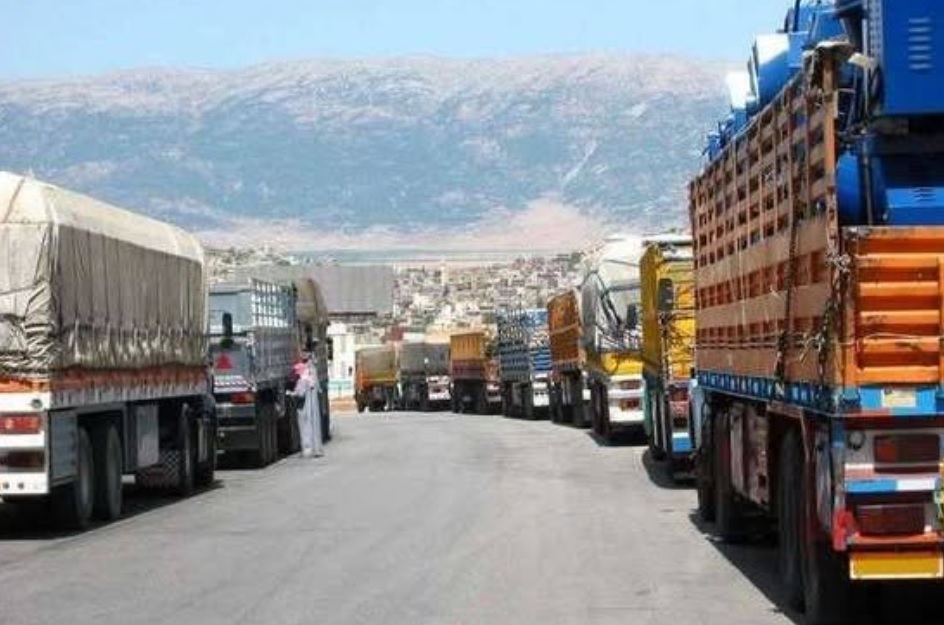
Al-Qallabat: When Local Traders Lose the Battle of the Market
Mojahid Nasr aldin
The Al-Qallabat border area between Sudan and Ethiopia is witnessing noticeable changes in the nature of commercial activity, raising growing questions about what could be described as “soft expansion” within local markets. This concept does not refer to direct intervention or open conflict, but rather to a gradual transformation in the structure of the market through the increasing presence of foreign traders and its impact on the local economy.
Ideally, Sudan should have clear laws regulating commercial activities, including specific restrictions on foreign nationals engaging in trade, ensuring that no Ethiopian trader can operate within Sudanese markets without meeting defined legal requirements. Such regulations would help protect the local market and ensure equal opportunities for Sudanese traders.
However, according to testimonies from a number of traders in Al-Qallabat, the current reality indicates that it has become common for Ethiopian traders to rent shops, display their goods in Sudanese markets, and for some to settle permanently in the area. While this expansion may initially appear to be a normal economic activity, it has raised increasing concerns among segments of local traders.
Some traders believe that this situation has resulted in unfair competition, as not all market participants operate under the same conditions and regulations. They also point to direct impacts on sales volumes and income, particularly with the entry of goods that may be cheaper or more diverse.
From the perspective of economic justice, a fundamental issue emerges that cannot be ignored. Just as Sudanese traders are required to comply with laws and pay fees when entering Ethiopian markets, fairness requires the application of the same standards within Sudanese markets. A regulated market cannot exist amid unequal obligations, as this transforms competition from an economic opportunity into a genuine burden on local traders.
On the other hand, some argue that this openness reflects the nature of border regions, which are characterized by movement and exchange, and that it can contribute to revitalizing markets and providing consumers with wider choices. However, this argument remains dependent on the existence of clear policies that balance economic openness with the protection of national interests.
What is happening in Al-Qallabat raises a fundamental question: How can economic borders be managed in a way that allows trade exchange to bring benefits without harming local traders?
