
Updated: 10 June 2026 19:59:18
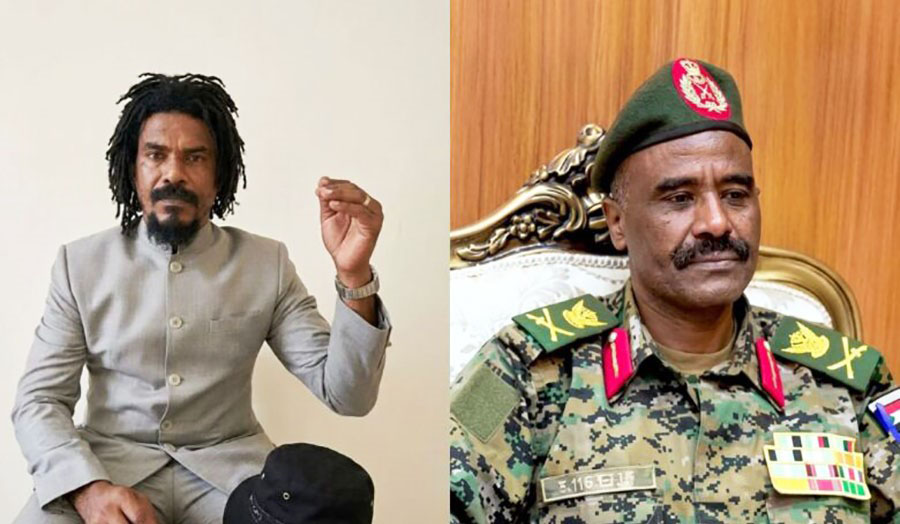
HRW Urges Accountability for RSF Commanders Who Defected to Sudanese Army
Moatinoon
Human Rights Watch has called on Sudanese authorities to ensure accountability for Rapid Support Forces (RSF) commanders who have defected and joined the Sudanese Armed Forces (SAF), stressing that switching sides in the conflict should not shield individuals from responsibility for serious crimes and human rights abuses.
In a statement released today, the organization urged the Sudanese army to cooperate with ongoing regional and international investigations into serious crimes committed in Darfur and other parts of Sudan.
“Those responsible for serious international crimes and human rights violations do not get a free pass if they switch sides,” said Mohamed Osman, Sudan researcher at Human Rights Watch, emphasizing that victims of abuses deserve justice and an end to the cycle of impunity.
The statement highlighted the recent defection of Commander Ali Rizq Allah, known as “Al-Savannah,” who joined the SAF in May after serving as a key RSF commander in operations across Kordofan and Darfur. It also referred to the April 2026 defection of Major General Al-Nour Ahmed Adam, known as “Al-Nour Al-Qubba,” who previously led RSF forces in North Darfur.
Human Rights Watch said it had documented widespread RSF attacks against civilians in El Fasher, including killings and sexual violence, and verified videos showing the presence of both commanders during the city’s 18-month siege.
The organization also referenced the case of Abu Aqla Keikel, who defected from the RSF to the SAF in October 2024. According to Human Rights Watch, forces under his command were implicated in serious abuses in Gezira State both while aligned with the RSF and after joining the Sudanese army.
The rights group stressed that international law obliges Sudanese authorities to investigate and prosecute those responsible for war crimes, crimes against humanity, and other serious human rights violations. It warned that amnesties or similar measures granting immunity for such crimes would be inconsistent with Sudan’s international obligations.
Human Rights Watch further noted that the International Criminal Court (ICC) continues to investigate alleged crimes committed in Darfur, including incidents in El Geneina and El Fasher, and called on the international community to strengthen accountability efforts across Sudan.
The organization urged members of the Coalition for Atrocity Prevention and Justice on Sudan to oppose any measures that could grant impunity to perpetrators of serious crimes and to ensure that justice and accountability remain central components of any future peace process.
