
Updated: 29 May 2026 16:34:56
Survivors of El Fasher Attack Recount Grueling Escape from Sudan
Reuters
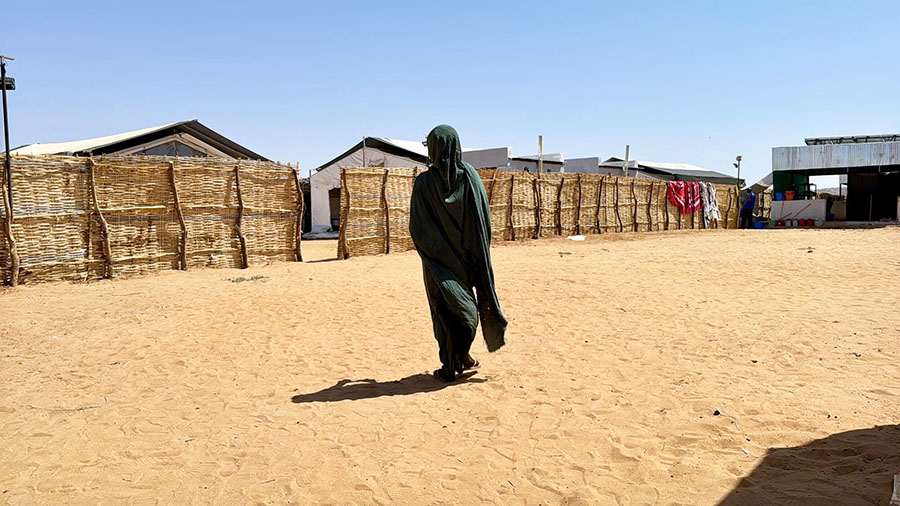
In early November 2025, survivors of a three-day assault by paramilitary forces in western Sudan began emerging in the desert town of Tine, on the border between Chad and Sudan. There, a team of Reuters journalists spoke with some of the survivors about the atrocities they said they endured while fleeing the Rapid Support Forces’ (RSF) takeover of El Fasher, a major city in Sudan’s Darfur region.
The city, once home to around one million people and already suffering from famine, had remained under siege for 18 months before the RSF launched its final assault on October 25.
The RSF did not respond to questions regarding the conduct of its forces during the attack, which the United Nations said bore “hallmarks of genocide.” On October 29, RSF commander Mohamed Hamdan Dagalo said any fighter or officer who committed crimes would be arrested, investigated, and the findings made public.
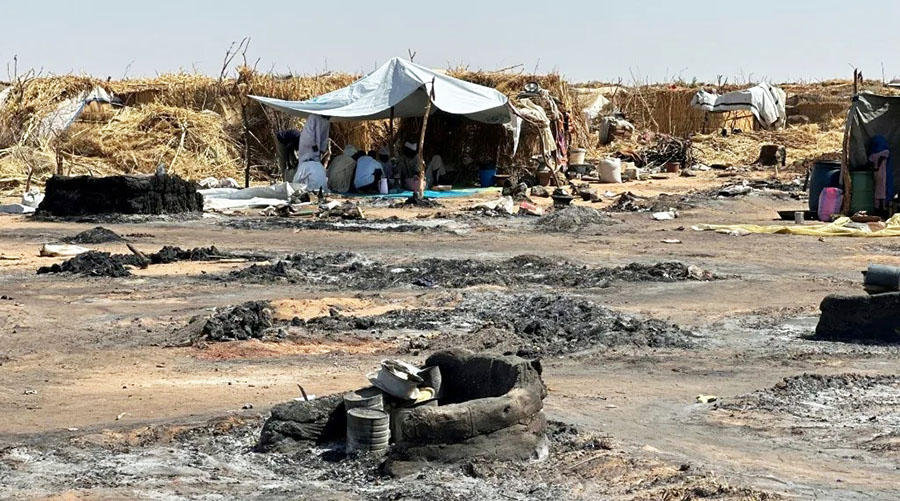
Tens of thousands of civilians fled across the desert. Many arrived at a refugee center in Tine severely malnourished, some suffering gunshot wounds, while others bore deep scars on their feet from walking barefoot for days. Some were so traumatized that they could barely describe what they had witnessed.
Yet the stories they told, which formed part of a Reuters documentary on the RSF assault on the city, paint a horrifying picture of desperation and violence. Reuters independently verified the survivors’ testimonies, except for some details.
Mohamed Adam (38) Lost His Wife, Former MP Siham Hassan
Mohamed Adam was attempting to flee the city on the morning of October 26 when a drone strike hit the house where he and his family had taken shelter, killing his wife, Siham. Shrapnel lodged in his chest and eye. He said he had no time to bury her before fleeing.
Adam said he saw dozens of corpses along the road as he ran, repeatedly changing direction to avoid drones hovering overhead and groups of RSF fighters. The RSF had dug a 57-kilometer trench around the city. He said he saw the bodies of men, women, and children inside the trench who had been shot by RSF fighters.
“No one asked who we were,” Adam recalled. “They were just shooting at us.” He described the route of escape as one “without mercy… everything was death and bodies.”
He walked for days with his brother, who limped on crutches because of a broken leg and shattered kneecap. Eventually, Adam hired camels to carry them to the Chadian border.
His wife, Siham, had been a member of parliament in Khartoum and a humanitarian activist supporting widows, orphans, and displaced Sudanese in Zamzam refugee camp and other camps around El Fasher. Adam said she had continued distributing food aid at the Saudi Hospital until the Friday before she was killed. Her death was still so recent that he continued speaking about her in the present tense.
“We are searching for peace in our country. We need nothing else,” he said. “I have nothing left. I lost hope. I lost my family.” He added, “I lost hope a long time ago.”
Safaa Zakaria (29) Lost Her Husband and Brother
Safaa was born and raised in El Fasher with her siblings. She said her family suffered immensely during the RSF’s 18-month siege, surviving at times on animal feed.
“There was no food or water,” she said. “If you went out to get water, drones would kill you.”
She said the final assault began at 3 a.m. on October 26 with heavy artillery shelling and drone strikes “until the entire sky over the city was on fire.” She and her family decided to flee. During the escape, she said an RSF gunman took one of her brothers hostage and another fighter shot dead two of her sisters’ husbands.
In a video shown to her by a Reuters reporter, Safaa identified the commander responsible as RSF brigadier Al-Fatih Abdullah Idris, known as Abu Lulu, who has become a symbol of the human rights abuses attributed to the RSF.
Reuters reviewed hundreds of videos filmed and posted online by RSF fighters during the assault. Abu Lulu appeared in four of them killing 15 unarmed civilians. Shortly after the attack, the RSF released a video showing Abu Lulu detained in a prison cell at Shalla prison south of El Fasher. Thirteen sources told Reuters he had since been released, and nine said he had returned to field operations. The RSF denies this, saying he remains imprisoned and will stand trial over the allegations against him.
Safaa continued fleeing on foot with her two-and-a-half-month-old baby. She said RSF fighters stopped and beat her multiple times. She witnessed many people dying on the road to Chad.
“We endured horrors beyond description,” she said. “What we experienced in El Fasher cannot be described.”
Mona Mohamed (33) Saw Her Brother’s Final Moments in a Video
Mona Mohamed was around nine years old when war erupted in Darfur in 2003, scattering her family. She eventually ended up in a displacement camp in South Darfur.
She later married, moved across the country, and graduated from the University of Khartoum after specializing in English language studies. When war broke out again in April 2023, she returned to Darfur and later settled in El Fasher. After six months of air raids on the city, a shell destroyed her home and killed everyone living in the neighboring house. She fled to Chad with her two young children and began working in the Iridimi refugee camp.
“We left our father and the rest of the family behind,” Mona said. Before she fled, her brother Bakhit Mursal had supported her and her small family, bringing books and trying to distract them from the war by taking them to different places.
“He gave us all the support he could,” she said, “so we wouldn’t feel the weight of the war.”
After the RSF seized El Fasher in October 2025, Mona saw her brother in a video circulating online and in WhatsApp groups, bleeding and in his final moments. That was how she learned he had died.
Khadija Issa (35) Witnessed Her Brother Being Killed
Khadija Issa fled El Fasher with her sister Manazil and their families on October 26 during the RSF’s final assault on the city. She said she saw RSF fighters shooting and killing men, women, and children in the streets. The fighters also stormed her home and stole clothes, shoes, and mobile phones.
While leaving the city, she said her family was stopped and held hostage for five days. During that time, she said an RSF commander known as Abu Lulu introduced himself to them and subjected them to racist insults.
“They took prisoners and killed small children and pregnant women,” Khadija said.
She added that she witnessed Abu Lulu shoot and kill her 30-year-old brother, Mubarak Haroun. When she tried to stop him from firing, he pushed her to the ground and beat her. That night, she and her sister managed to find an escape route and fled with some of their children.
Ibrahim Ali (26) Watched His Closest Friend Executed on Camera
Ibrahim met his close friend Fathi Mukhtar during university registration day at Nyala University in South Darfur. He said Mukhtar, who was always smiling, taught him how to play volleyball. When war erupted in 2023, both men returned to their families in El Fasher and continued meeting regularly in the city.
Ali said that when RSF shelling began in the early hours of October 26, he did not understand what was happening. He ran through the streets with his wife and young daughter amid the bombardment searching for a way out.
“They were shooting all around us,” he said.
Eventually, he and his family joined a group of women fleeing the fighting. He said the group was stopped several times by RSF fighters, who beat them and stole his savings and identity documents. One fighter fired a bullet near his temple, causing permanent hearing damage.
Later, in the Touloum refugee camp in Chad, a Reuters reporter showed Ibrahim a video of an RSF attack on civilians. It was then that he learned his closest friend had been killed.
In the video, RSF commander Abu Lulu introduces himself before pointing his weapon at three men in civilian clothing and forcing them to chant RSF slogans. Mukhtar, wearing a blue shirt, appears to negotiate with Abu Lulu before being shot dead.
“This man had nothing to do with the army or politics,” Ali said of Mukhtar. “He only cared about philosophy, education… books and novels.”
