
Updated: 16 May 2026 19:59:40
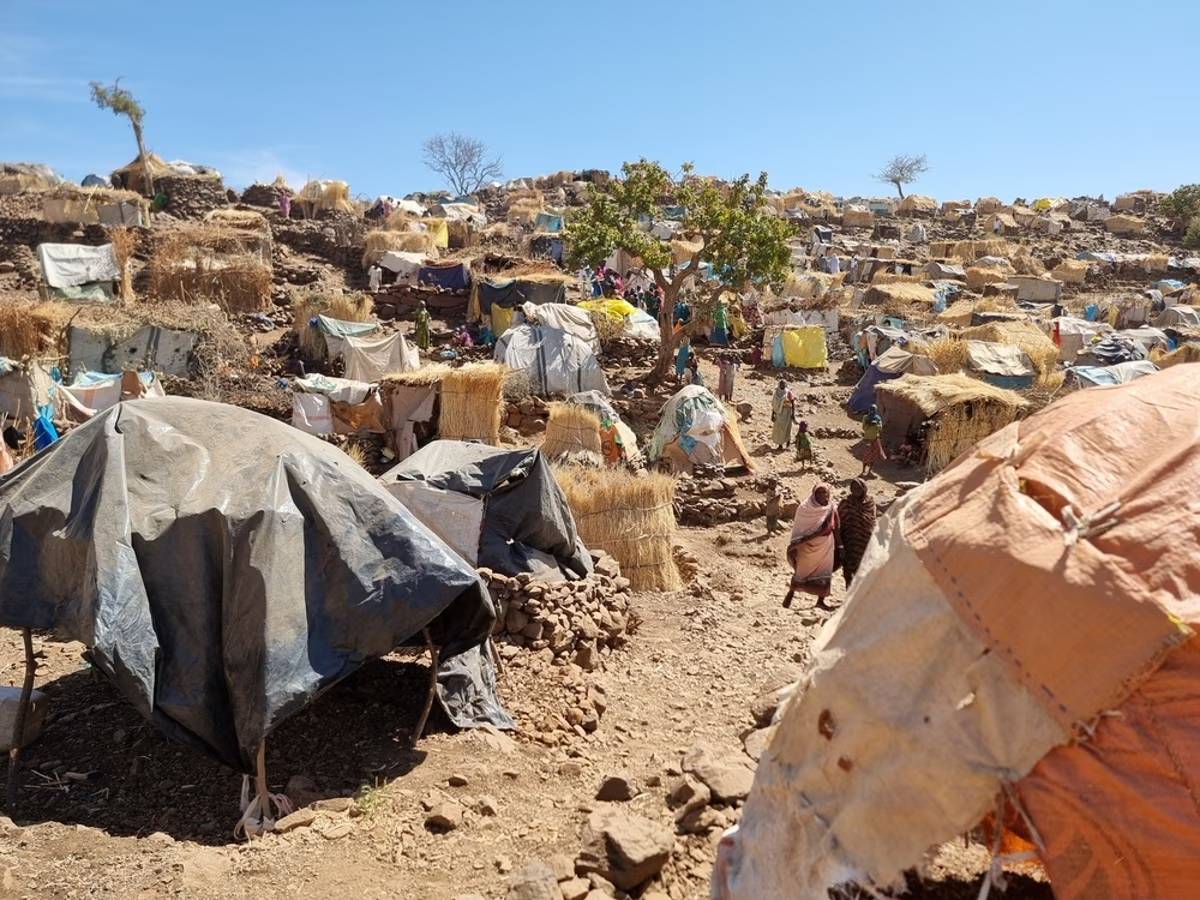
Darfur Displacement Camps Face Health and Humanitarian Collapse as Coordination Body Warns of a Forgotten Tragedy
By Al-Asma’i Bashari
Amid alarming international silence, the pace of health and humanitarian collapse inside Sudan’s displacement and refugee camps is accelerating, with millions of families becoming hostages to hunger, disease, and the lack of the most basic necessities of life, according to a press statement issued today, May 16, 2026, by the General Coordination for Displaced Persons and Refugees.
The Coordination said conditions in camps spread across various Sudanese states, particularly in the Darfur region, have moved beyond the warning stage and entered a phase of imminent danger. It explained that shortages of food, clean water, and primary healthcare have turned these settlements into active hotspots for the spread of infectious diseases and acute malnutrition, with children and pregnant women facing the greatest risks.
According to the statement, the Jebel Marra area is currently witnessing an alarming outbreak of several diseases. Field teams have recorded more than 200 suspected cases of mpox, the overwhelming majority involving children under the age of five. The Coordination also documented 259 suspected cases of whooping cough, in addition to 116 cases of other infectious illnesses that could not be accurately identified due to the absence of laboratories and diagnostic facilities.
The outbreaks are occurring amid an almost complete lack of essential medicines and adequately equipped health centers, making any meaningful response to epidemics virtually impossible on the ground. The Coordination noted that malaria, diarrhea, and respiratory infections are spreading rapidly through overcrowded tents, where tens of thousands of people are living in conditions that fall far below minimum standards of hygiene and safe living.
The crisis is not limited to infectious diseases. Acute malnutrition is ravaging children’s bodies, with thousands suffering from severe wasting and rapid weight loss — a scene that has become tragically common in collapsing nutrition centers. Pregnant and breastfeeding women also face the risk of death during or after childbirth due to malnutrition and the lack of emergency obstetric care.
The situation is further compounded by displaced families’ reliance on contaminated water sources, often stagnant ponds or unprotected wells, exacerbating cases of diarrhea and intestinal diseases while further weakening the immune systems of already exhausted populations.
The Coordination warned that the consequences extend beyond physical suffering. Persistent hunger, daily fear, and the loss of security have left devastating psychological and social impacts on families. Children without schools, mothers without treatment, and fathers without work together form a ticking time bomb threatening the future of an entire generation raised amid displacement and deprivation.
The statement stressed that what is unfolding is not merely a localized humanitarian crisis that can be contained, but a stark warning of a comprehensive humanitarian collapse unless the international community acts urgently. The Coordination argued that continued neglect of this tragedy amounts to moral and legal complicity, placing direct responsibility on states and international organizations.
The statement concluded with a series of demands addressed to the United Nations, the African Union, and humanitarian organizations operating in Sudan. These included the urgent deployment of relief convoys carrying food, medicine, and clean water to the affected camps, as well as the launch of an independent international investigation into the violations and conditions that led to this collapse.
The Coordination also called for genuine international pressure on the warring Sudanese parties to uphold their obligations under international humanitarian law, ensure unhindered humanitarian access, and protect displaced civilians from targeting and systematic violence.
Adam Regal, spokesperson for the General Coordination for Displaced Persons and Refugees, said that “the world’s silence in the face of this catastrophe amounts to complicity in the crime itself.” He added that “displaced people in Sudan deserve to be treated as human beings with rights, not merely as numbers in reports stored away in drawers.”
This appeal comes as previous UN estimates indicate that more than nine million people have been displaced inside Sudan since the outbreak of war in April 2023, creating what is currently the world’s largest internal displacement crisis. With the rainy season approaching, field organizations fear that conditions will deteriorate further, turning the camps into the epicenter of a full-scale epidemic disaster.
