
Updated: 10 May 2026 12:52:02
River Nile State: Growth in the Renewable Energy Sector
Moatinoon — Al-Asma’i Bashri
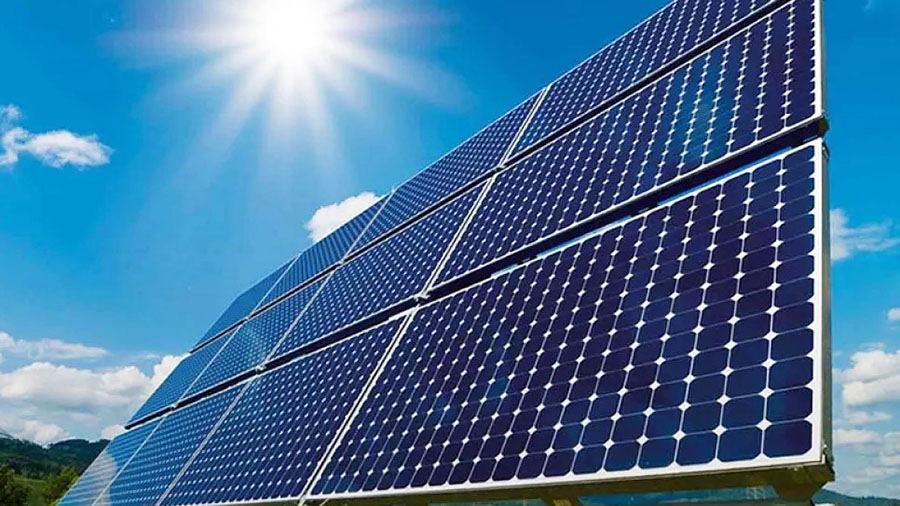
The solar energy sector in River Nile State, particularly in the city of Atbara, has witnessed rapid growth over the past two years. This expansion has been driven by the collapse of large parts of the electricity infrastructure due to the war and the repeated targeting of transformer stations by drones, which has left vast areas suffering from chronic power shortages. This reality has pushed citizens, farmers, and traders to search for stable alternatives, making solar energy the most practical option, especially in a region blessed with high levels of sunshine throughout the year.
Atbara, in particular, has transformed into an important commercial hub for solar energy equipment, not only because of its strategic location linking northern and eastern Sudan, but also due to its active trade movement and extensive agricultural projects that depend on irrigation and electric pumps. Demand has become concentrated in two main areas: agricultural applications for operating pumps and irrigation pivots, and household applications for lighting, cooling, and running essential appliances.
As for prices, they have risen significantly during 2025 as a result of increased demand, import difficulties, and exchange rate fluctuations. Reports from the Sudanese market indicate that solar panel prices range from 85,000 Sudanese pounds for a 100-watt panel to around 200,000 pounds for a 550-watt panel, which is currently the most in demand. The price of a 200-amp battery has reached approximately 530,000 pounds, while inverter prices range from 130,000 pounds for small models to 630,000 pounds for larger hybrid systems.
In Atbara, integrated systems aimed at homes and small farms have also appeared. These usually consist of four 555-watt panels, two 200-amp batteries, and a hybrid inverter, selling for approximately 4.2 to 4.4 million Sudanese pounds. According to a solar energy specialist, these systems provide enough power to operate refrigerators, fans, lighting, and some cooling devices.
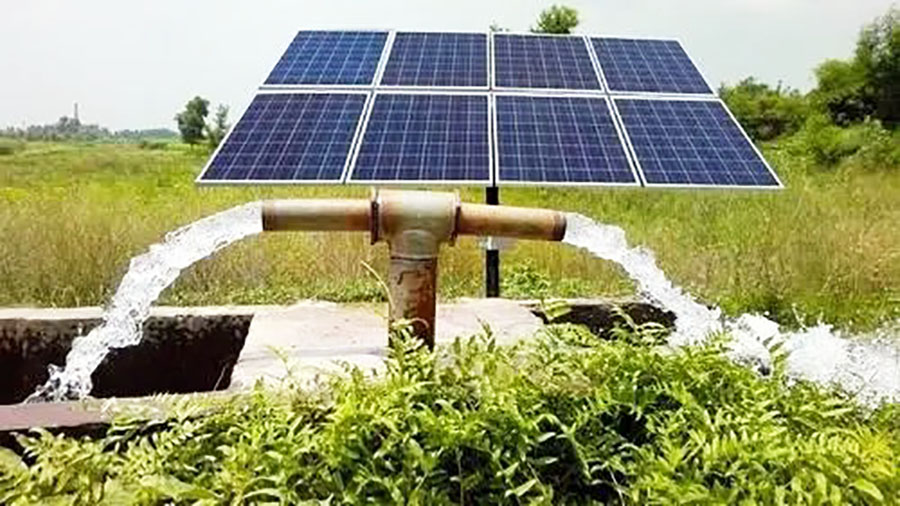
Although these prices may seem high for the majority of citizens, many people have come to view them as a long-term investment rather than merely a consumer product. A farmer relying on solar-powered irrigation avoids fuel costs and the scarcity of diesel, while a family installing a home system gains partial relief from frequent electricity outages. As a result, the concept of “feasibility” is now measured more by the stability the system provides than by its direct cost.
However, the most controversial issue concerns customs duties and government exemptions. Over the past years, authorities have repeatedly announced exemptions intended to encourage clean energy and support the agricultural sector. Yet importers and traders insist that these charges have indirectly returned through customs fees, taxes, and various administrative costs, ultimately raising the final cost for consumers. Adel Al-Tahir, a trader in Atbara market, told Citizens that some fees nearly double the cost of the equipment, despite official rhetoric about promoting renewable energy.
On the other hand, there have recently been indications of a new government direction toward exempting solar energy imports, especially for agricultural projects, in an effort to reduce pressure on the electricity grid and stimulate agricultural production. Nevertheless, the core issue is not only the issuance of exemption decisions, but also the stability of policies and their consistent implementation at ports and customs crossings. Continuous changes in fees make the market unstable and increase speculation.
The future of solar energy in Sudan in general, and in River Nile State in particular, appears promising despite the challenges. The war itself has forced society to rethink the concept of total dependence on the national grid, and the move toward “decentralized energy” has become a reality that cannot easily be reversed. Rising fuel costs and the state’s limited ability to rapidly rehabilitate power networks are also likely to make solar energy more widespread in the coming years.
Engineer Iman Al-Tayeb says that this future depends on several key factors. The first is exchange rate stability and easier import procedures. The second is the availability of bank financing or affordable installment plans that would allow families and farmers to acquire systems without paying huge sums upfront. The third is the development of local maintenance and training services, since many current systems are installed without precise technical standards, leading to early breakdowns and consumer losses.
Economic experts expect the market to expand in the future from merely selling panels and batteries to providing integrated services that include design, installation, and smart energy storage, and perhaps even the establishment of small solar stations serving neighborhoods and agricultural projects collectively. If the electricity crisis continues in its current form, solar energy could shift from being an alternative option to becoming the primary energy source for large sectors of Sudan.
In short, what is happening today in Atbara and River Nile State is not just a passing commercial activity, but an economic and social transformation imposed by the conditions of war and state weakness. For many Sudanese, solar energy has become a means of survival and continuity of life and production, not merely a technological luxury. Despite rising costs and customs-related obstacles, the general trend indicates that demand will continue to increase and that this industry is likely to become one of the fastest-growing markets in Sudan in the years ahead.
