
Updated: 27 October 2025 15:05:37
Preliminary Toll of Sudan’s War: From State Collapse to Moral Breakdown?

Khartoum, Sudanile — On the morning of April 15, 2023, the Sudanese people awoke to the shocking outbreak of war between the Sudanese Armed Forces (SAF) and the Rapid Support Forces (RSF). The first sparks ignited at the Sports City complex in southern Khartoum, before the fighting spread to engulf the entire capital with its three cities. The conflict soon expanded to cover all of Sudan’s states, with Khartoum, Al-Jazira, Kordofan, and Darfur particularly affected. Ultimately, after more than two years of siege, the city of El-Fasher fell under RSF control.
What began as a confrontation between two military forces has now turned into unprecedented destruction and mass displacement, with millions forced to flee their homes as either internally displaced persons (IDPs) or refugees. The war has taken on a far more dangerous dimension — threatening the very fabric of Sudan’s society and the survival of the state itself.
Human and Psychological Losses
According to available estimates, the war has left over one million casualties, including the wounded and injured — most of them civilians, especially women and children. In reality, there are no accurate statistics for the numbers of those killed, wounded, or missing, which constitutes a violation in itself.
Moreover, no reliable estimates exist for deaths caused by war-related diseases, as Sudan’s healthcare system has collapsed, making data collection in active conflict zones nearly impossible. Studies, however, suggest that indirect deaths — from preventable diseases and malnutrition — make up a large and alarming share of total human losses.
To make matters worse, many of the injuries sustained by both soldiers and civilians have resulted in permanent disabilities, leaving survivors struggling with psychological trauma, depression, anxiety, and social isolation that may last for years or even a lifetime.
Family Breakdown and Rising Crime
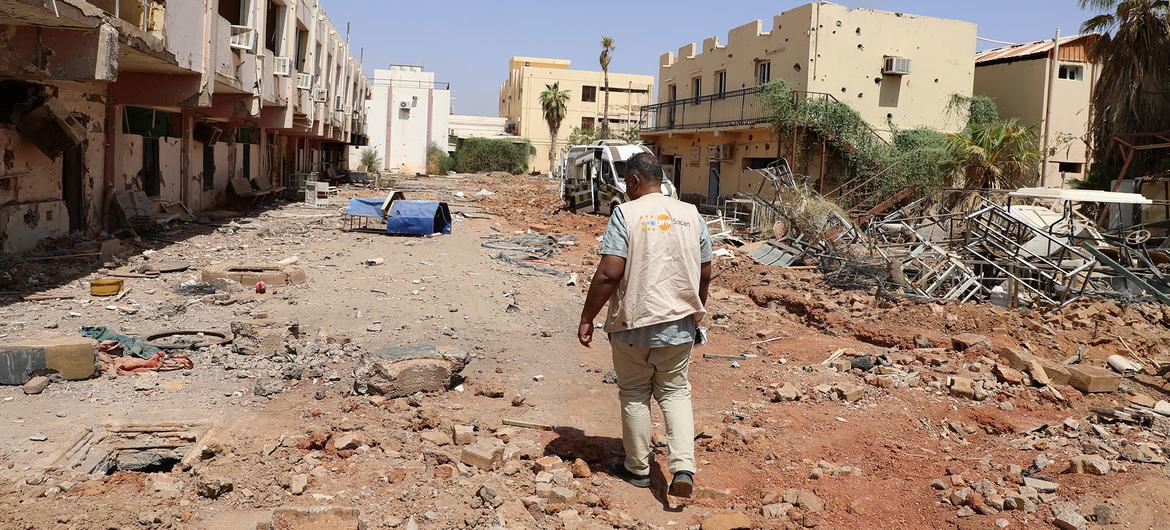
The relentless conflict has led to the disintegration of family and social bonds, with soaring rates of divorce, separation, loss of trust, and widespread violence and criminal activity. This stems largely from economic collapse following massive financial losses, as infrastructure and key facilities — hospitals, schools, universities, roads, power and water networks, markets, factories, government offices, and homes — have been destroyed.
Economic activity has come to a standstill, leaving the majority of Sudanese unemployed, displaced, or injured overnight.
Over 12 Million Displaced and Refugees
Sudan’s displacement crisis has become the largest internal and external displacement in the world. More than 12 million people have been uprooted — some displaced within Sudan, while others have sought refuge in neighboring countries, including Egypt, Chad, South Sudan, Uganda, Rwanda, and Kenya.
Health and Environmental Consequences
One of the gravest tragedies facing civilians is the collapse of the healthcare system, exacerbated by the destruction of hospitals and medical facilities. Infectious diseases such as cholera, dengue fever, and malaria have spread rapidly. Local medical reports indicate tens of thousands of cases, though the real number is likely much higher due to contaminated water, unburied corpses, poor sanitation, and overcrowded IDP camps.
The war has also caused severe air and soil pollution from chemical leaks, toxic gases, and carbon emissions produced by explosions, fires, and damage to military equipment and fuel depots.
Famine
Sudan is now suffering from one of the world’s worst food shortages, driven by the destruction of essential services and livelihoods, the collapse of agriculture, and the blockade of cities preventing humanitarian aid from entering.
In August 2024, famine was officially declared at the Zamzam IDP camp in North Darfur — the first such declaration by the Famine Review Committee (FRC) in over seven years.
An estimated 24.6 million people — nearly half the population — face acute food insecurity, while two million are on the brink of famine (IPC Phase 5) — the highest global level. Over one-third of children suffer from severe malnutrition, and hunger-related deaths are rising sharply.
The Media’s Negative Role
Before and during the war, Sudan witnessed massive, coordinated media campaigns by both warring parties aimed at distorting facts and misleading domestic and international opinion through the widespread dissemination of false and fabricated information across traditional and social media platforms.
These campaigns are backed by substantial financial and human resources, using selective reporting, repetitive messaging, and manipulation of images, audio, and video content — while concealing or distorting any facts that contradict their respective agendas.
This destructive media environment has played a major role in fueling the conflict, transforming it into a tribal, ethnic, and regional war — one that now threatens the very existence of Sudan.
- The Sudan Media Forum, together with its member organizations, publishes this report — prepared by Sudanile newspaper — to provide a preliminary overview of the immense destruction caused by the ongoing war between the Sudanese Armed Forces and the Rapid Support Forces.
It highlights the informational blackout surrounding the war, in which reliable data and statistics are scarce, depriving the public of the knowledge necessary to mitigate further tragedy.
