
Updated: 30 October 2026 23:00:41
Joseph Lagu’s Death Recalls South Sudan’s Journey from Autonomy to Independence
Moatinoon
The death of veteran politician and military leader Joseph Lagu Yanga, one of the most prominent figures in Sudan’s southern liberation movement, has prompted an outpouring of condolences and renewed reflection on the historical milestones that shaped South Sudan, from the armed rebellion against successive central governments and the 1972 Addis Ababa Agreement to South Sudan’s independence in 2011.
Lagu died in Juba on Tuesday, 27 October, aged 94, following a political, military and diplomatic career spanning more than six decades. He held senior positions in the southern movement and the Sudanese government before serving as an adviser to President Salva Kiir Mayardit after South Sudan gained independence.
South Sudanese President Salva Kiir declared a period of national mourning, ordering flags to be flown at half-mast at government institutions and diplomatic missions until Lagu’s burial. He also pledged to attend the official funeral in person.
In a statement reported by Radio Tamazuj, Kiir described Lagu as a liberation hero and patriot who had devoted his life to the cause of South Sudan’s people. He praised Lagu’s military, political and diplomatic contributions, noting that he had lived to witness the establishment of the country for which he had fought.
Former South Sudanese First Vice-President Riek Machar, who is being held pending trial, also paid tribute to Lagu, saying he had placed peace and the right to self-determination above his personal ambitions.
In a condolence message reported by Radio Tamazuj on Wednesday, Machar said Lagu “was not a selfish leader or one greedy for power”, referring to his willingness to relinquish leadership to others. He described Lagu as a figure who would remain in the memory of South Sudanese people for his service to the nation.
Joseph Lagu was born on 21 November 1931 in Momokwe, Eastern Equatoria. He received military training before defecting from the Sudanese army in 1963 to join the southern rebellion that had begun in 1955.
In 1968, he assumed leadership of the Southern Sudan Liberation Movement and its armed wing, known as Anyanya. He helped unite the rebel factions before leading negotiations with President Jaafar Nimeiri’s government that resulted in the Addis Ababa Agreement of 1972.
The agreement ended the first civil war between northern and southern Sudan and granted the southern region autonomy for approximately a decade. Nimeiri dismantled those arrangements in 1983, contributing to the outbreak of the second civil war.
Following the agreement, Lagu returned to the Sudanese army and was promoted to the rank of lieutenant general. He served as President of the High Executive Council of the Southern Region from 1978 to 1979 and as Sudan’s Second Vice-President from 1982 to 1985.
He also held diplomatic positions, including Sudan’s Permanent Representative to the United Nations from 1990 to 1992, and served as an ambassador-at-large during other periods. After South Sudan’s independence, he became a special adviser to President Salva Kiir before retiring from public life.
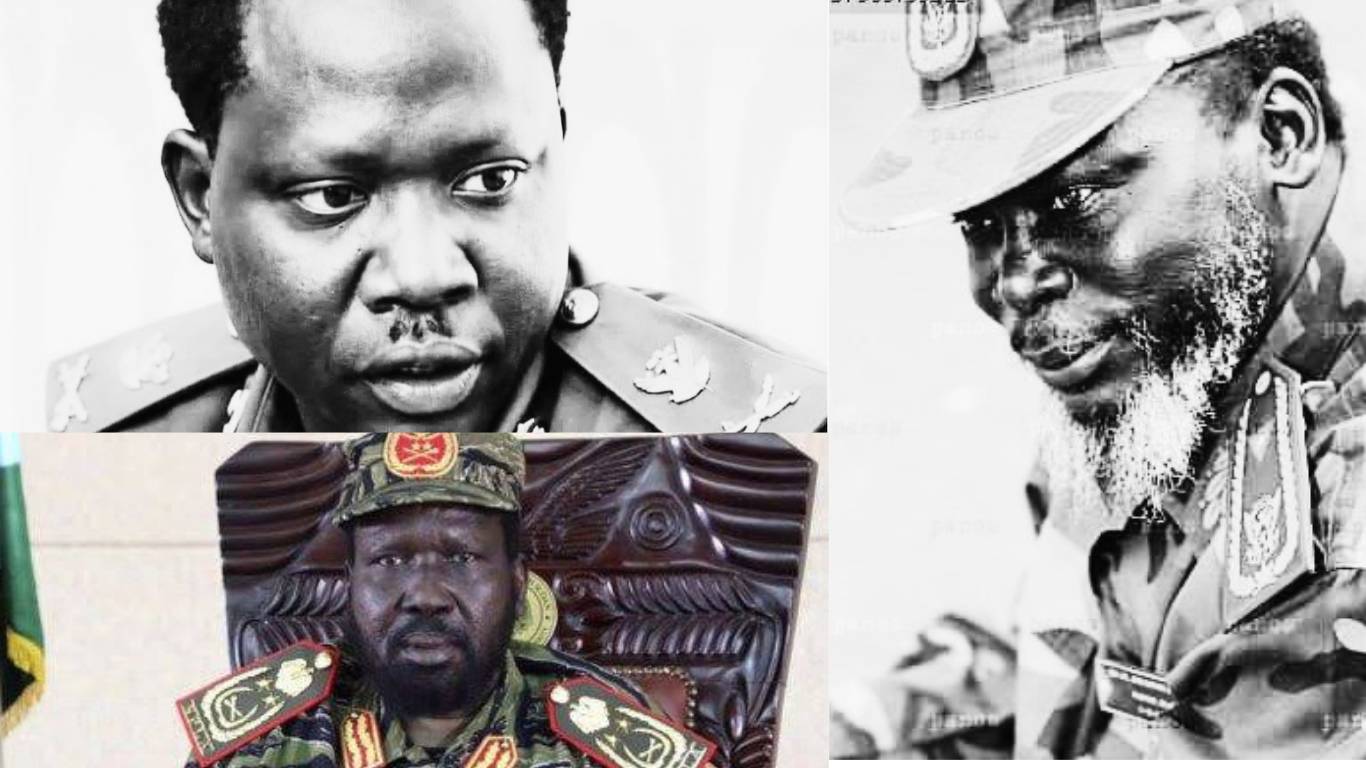
Lagu’s death has also revived discussion of the different political visions pursued by successive generations of southern leaders. In an opinion article published by Radio Tamazuj on Friday, writer Omer Al-Haj examined the paths represented by Joseph Lagu, John Garang and Salva Kiir Mayardit.
Al-Haj argued that Lagu represented the struggle to secure autonomy through a combination of armed resistance and negotiation, while John Garang, who founded the Sudan People’s Liberation Movement in 1983, advanced the vision of a “New Sudan”, seeking to rebuild the state on the principles of citizenship, justice and equality, beyond the South’s regional demands.
Salva Kiir, who assumed leadership of the SPLM following Garang’s death in 2005, led the transitional period that culminated in the self-determination referendum and South Sudan’s declaration of independence on 9 July 2011.
The new country, however, faced major challenges in building institutions, unifying armed forces and managing resources before descending into internal conflict in 2013. The Revitalised Peace Agreement followed in 2018, amid continuing political and security tensions.
Al-Haj concluded that liberation, peace and independence do not acquire their full significance merely through their achievement, but through leaders’ ability to translate those gains into just and stable institutions.
With Lagu’s passing, South Sudan has lost one of the foremost witnesses to the successive phases of its political and military struggle. The legacy of the Addis Ababa Agreement, the experience of regional autonomy and the transition to independence remain central to discussions about the country’s future and the challenges of peace and institution-building.
--
This report draws on two news reports published by Radio Tamazuj on 28 and 29 October 2026, covering Lagu’s death and the tributes paid to him, as well as an opinion article by Omer Al-Haj published by the same outlet on 30 October, examining the political legacies of Joseph Lagu, John Garang and Salva Kiir.
