
Updated: 30 October 2026 22:34:46
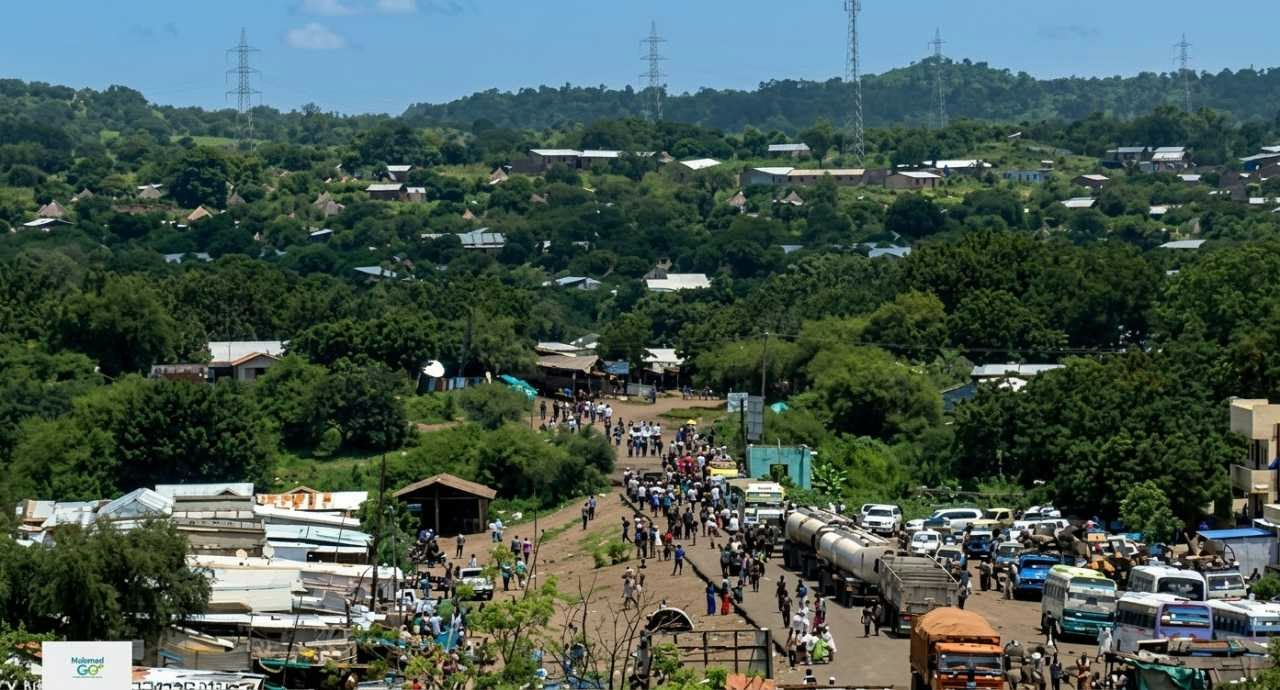
Sudan’s Gallabat Border Strip: Civilians Caught Between Kidnapping Risks and the Need to Earn a Living

Along the Sudan–Ethiopia border in the Gallabat area of Gedaref State, the working day for some people involved in transporting goods and agricultural produce does not always end at markets or production areas. It can also bring fears of kidnapping and gunfire. In an area where farming, trade and the transportation of goods are major sources of income, civilians face a difficult choice: continue working to provide for their families or stay away from areas where security risks persist.
In recent months, reports of kidnappings and armed attacks have once again become a major concern among local residents. Local accounts point to the involvement of armed groups known as the “Ethiopian Shifta” in incidents targeting Sudanese civilians in border areas. Some of those detained have since been released, but the incidents have raised questions about the safety of people working in the area and the ability of the relevant authorities to protect them.
When Going to Work Becomes a Risk
For Mohamed Ahmed Ali, from Assar in West Gallabat locality, who works as a goods transport driver in the Gallabat area, security concerns are not new to people working along the border. Rather, he says, they are linked to incidents that have recurred over several years.
Mohamed says some kidnappings end with demands for money in exchange for the release of those held. This places additional burdens on families, who must not only cope with the loss of income but also find the money needed to secure their relatives’ safe return.
These risks are not limited to farmers working near the border. They also affect vehicle drivers, traders and people involved in transporting goods, whose work requires them to travel between production areas, markets and border settlements.
In an area where large sections of the population depend on daily movement to earn a living, security risks are not merely an individual concern. Any threat to the movement of workers can disrupt the transport of goods, increase costs, weaken commercial activity and add to the financial pressures facing families.
Jabal Dollar: Gunfire and Kidnapping
Describing the dangers faced by workers, Mohamed Ahmed Ali says they came under gunfire in mid-September 2026 while attempting to cross a stream near Jabal Dollar. According to his account, the incident involved members of the Ethiopian Shifta groups.
The incidents were not limited to the threat of gunfire. On the same day, two men from Assar village in West Gallabat locality, Mustafa Abdel Qader and Al-Nour Al-Rida, were reportedly kidnapped in the Jabal Dollar area, according to local accounts and media reports.
The incident caused widespread concern among residents, who on 28 September appealed to the governor of Gedaref State and the commander of the Second Infantry Division, calling for intervention, stronger border security and protection for civilians and farmers.
After several days in captivity, the two men returned to their village on 3 October. Residents welcomed them with celebrations, reflecting their relief at their return. At the same time, the incident renewed questions about the circumstances that had allowed the kidnapping to take place and what safeguards were needed to prevent similar incidents.
Traders Also in the Line of Fire
On 25 October 2026, another incident was reported along the border, when a number of traders were taken away before being released following the intervention of Sudanese forces operating in the area, according to information provided by local witnesses.
The incident highlights how the risks extend beyond residents of border villages and farmers to include traders and people involved in the movement of goods, whose travel is an essential part of the local economy.
It also raises questions about the circumstances in which the traders were taken, who was responsible, the nature of the intervention that led to their release, and whether adequate security arrangements are in place to protect people working in these areas.
The Impact of Insecurity Goes Beyond Individual Incidents
Gallabat is economically and socially important because the lives of its residents are closely tied to farming, trade and cross-border movement. As a result, any security disruption affects not only those directly involved in an incident but potentially the wider local economy.
A decline in traders’ movements or drivers’ reluctance to travel to certain production areas could increase transport costs, disrupt the movement of crops and goods, and leave producers and traders facing more expensive alternatives.
In communities that depend on farming and cross-border trade, the safety of roads and workplaces is part of the basic conditions for economic stability. Security, in this context, is not simply a military or border issue. It is directly linked to people’s ability to produce, earn an income and provide for their families.
Protecting Civilians: From Response to Prevention
These incidents place responsibility on the relevant authorities not only to respond after attacks occur but also to establish preventive measures that protect civilians and workers in border areas.
Such measures include strengthening security deployments in areas where risks recur, securing transport routes and production zones, activating reporting and rapid-response mechanisms, and investigating kidnappings and shootings to establish responsibility and ensure legal accountability.
The question facing local and security authorities, however, remains: how can civilians who depend on working in border areas be protected without fear becoming yet another reason for them to lose their livelihoods?
Residents along the border thus find themselves caught between the need to earn a living and the dangers of the road, waiting for protective measures that will make farming, trading and travelling safe activities rather than daily risks that could end in kidnapping or gunfire.
