
Updated: 27 October 2026 22:27:22
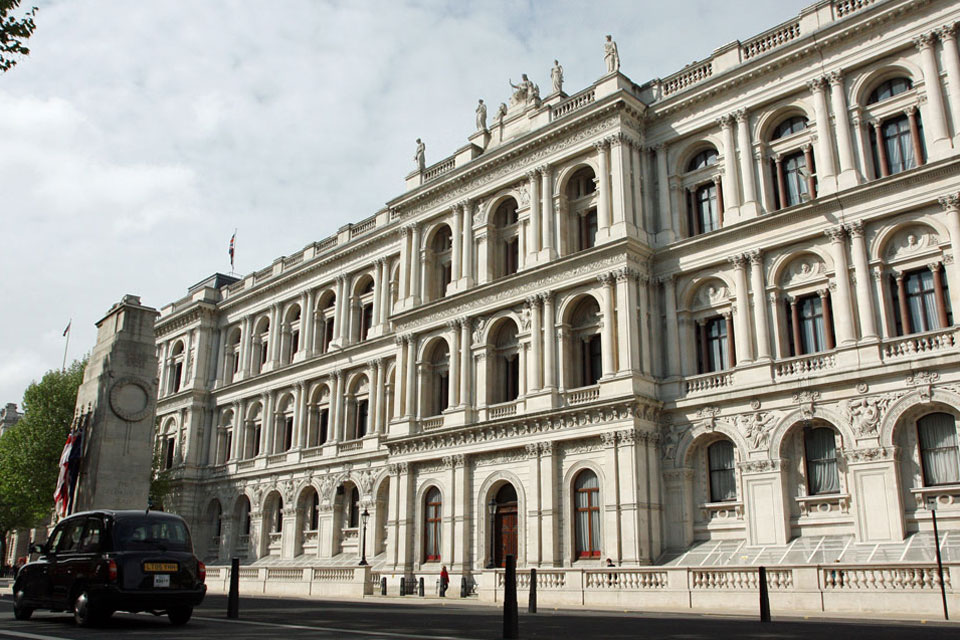
UK Imposes Sanctions on 15 Sudanese Military Commanders
Moatinoon
The United Kingdom has imposed sanctions on 15 senior military commanders from the Sudanese Armed Forces (SAF) and the Rapid Support Forces (RSF) over suspected involvement in atrocities against civilians, including conflict-related sexual violence. The announcement comes alongside a £15 million funding package to support survivors of abuses and strengthen humanitarian assistance in Sudan.
In a statement issued on Monday, 26 October, the UK Foreign Office said the sanctions marked one year since the RSF captured El Fasher, the capital of North Darfur State, following a siege lasting approximately 18 months. According to the statement, the fall of the city was followed by widespread killings of civilians and sexual violence against women and girls.
The sanctions include travel bans and asset freezes on those designated.
Among those sanctioned are RSF Colonel Hussein Abu Jalak, whom the UK linked to atrocities committed during the siege of El Fasher, and Al-Nour Ahmed Adam, also known as “Al-Qubba”, who British authorities said played a prominent role in the siege and assault on the city.
The announcement followed the publication of UK-funded investigations by the Centre for Information Resilience (CIR), which documented what it described as a systematic campaign of starvation and conflict-related sexual violence against civilians, with abuses attributed to both sides of the conflict.
UK Foreign Secretary Ed Miliband said the war in Sudan had created a humanitarian catastrophe and that investigations funded by Britain had revealed the continued use of rape and starvation as weapons against civilians.
Miliband called for those responsible for the abuses to be held accountable and for external support to the warring parties to end. He also urged the SAF and RSF to stop attacking humanitarian aid convoys and allow food to reach communities in need.
He warned that the El Niño climate phenomenon could further worsen the humanitarian situation, but stressed that responsibility for allowing aid deliveries and preventing famine rested with the two warring parties.
The British government announced an allocation of £5 million to support survivors of conflict-related sexual violence in Sudan.
The funding will provide sexual and reproductive healthcare, maternal health services, psychosocial support and safe spaces for women and girls.
A further £10 million has been allocated to strengthen the humanitarian response as famine risks increase due to attacks on markets, healthcare facilities, displacement camps and other infrastructure, restrictions on aid deliveries and the threat of drought associated with El Niño.
According to the statement, the funding will help improve access to clean drinking water and sanitation services at displacement sites around Tawila in North Darfur, reducing the risk of disease outbreaks.
It will also support healthcare, protection and other essential humanitarian services in El Obeid, North Kordofan State, where military operations and restrictions on humanitarian access have intensified civilian needs.
The UK Foreign Office said new investigations published by the Centre for Information Resilience, with British support, had revealed the continued use of siege tactics, drone attacks on civilian infrastructure and humanitarian operations, and the obstruction of aid deliveries in different parts of Sudan.
The ministry referred to footage obtained by the centre showing RSF fighters discussing plans to cut off water supplies to El Fasher and prevent traders from bringing food into the city during the siege.
It added that the investigations documented cases in which women and girls were abducted, repeatedly raped and detained in conditions described as amounting to sexual slavery.
The RSF captured El Fasher in October 2025 after a siege lasting approximately a year and a half, during which humanitarian conditions deteriorated severely. The citys fall was followed by reports of mass killings, sexual violence and widespread abuses against civilians.
The British government said the latest measures followed five previous rounds of sanctions related to Sudans war, targeting individuals suspected of responsibility for abuses and networks supporting them.
