
Updated: 27 July 2026 13:04:43
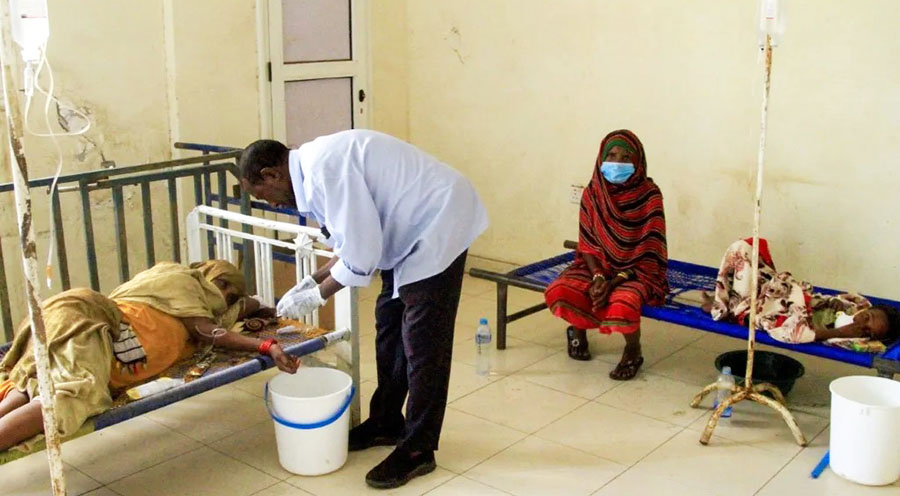
Cholera Strikes Sudan Again as War Continues
Moatinoon
Growing concerns are mounting over a renewed outbreak of cholera in Sudan as the countrys healthcare system continues to deteriorate amid the ongoing conflict, widespread displacement, and the onset of the rainy season, which creates favourable conditions for waterborne diseases.
Health and humanitarian agencies warn that the prolonged war has severely disrupted water and sanitation services across large parts of the country. Hospitals and clinics are struggling with critical shortages of medicines, intravenous fluids, and medical personnel, limiting their capacity to respond to a fresh outbreak.
Public health experts say overcrowded displacement camps, reliance on unsafe water sources, poor sanitation, and restricted humanitarian access are significantly increasing the risk of cholera spreading in the coming weeks.
Authorities and international partners are calling for urgent preventive measures, including expanded disease surveillance, public awareness campaigns, improved access to safe drinking water, and the pre-positioning of medical supplies to strengthen cholera treatment centres before infections escalate.
Sudan experienced one of its worst cholera outbreaks in recent years during the previous year, as the disease spread across multiple states amid the collapse of health services and water infrastructure caused by the war that began in April 2023.
Tens of thousands of suspected cases and thousands of related deaths were reported, with outbreaks recorded in several states, including Kassala, Gedaref, Al Jazirah, River Nile, Khartoum, White Nile, and North and South Kordofan.
The response included the establishment of specialised cholera treatment centres, oral cholera vaccination campaigns, improvements to water quality, and community awareness programmes supported by the World Health Organization (WHO), UNICEF, and other humanitarian partners.
However, international health agencies warn that the underlying drivers of the epidemic remain largely unchanged. Continued conflict, deteriorating living conditions, and mass displacement have left Sudan highly vulnerable to another large-scale outbreak, particularly during the current rainy season when waterborne diseases typically surge.
