
Updated: 28 April 2026 18:15:25
Alarming Spread of Dengue Fever in River Nile State
Moatinoon
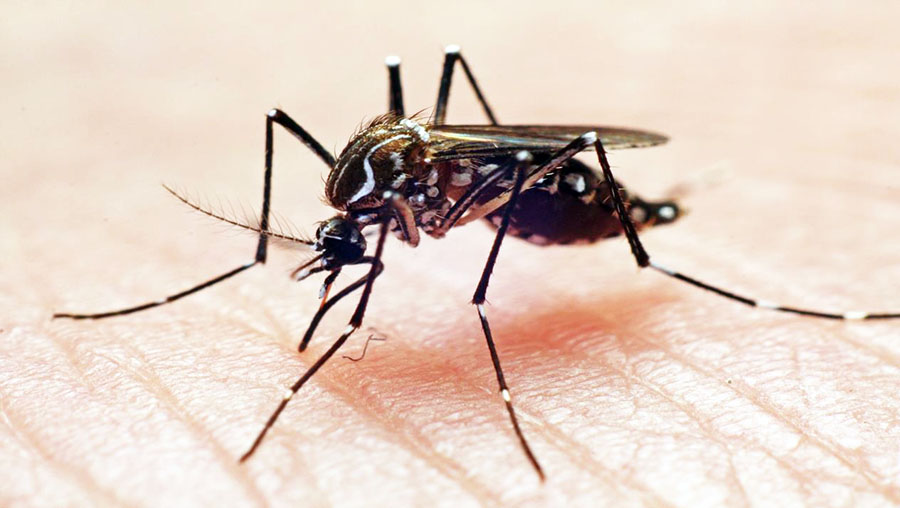
River Nile State is facing a worrying health situation after two weeks of steadily rising dengue fever infections, amid warnings that the outbreak could escalate into a large-scale public health crisis if not urgently contained.
According to health sources and recent official reports, the number of cases has continued to increase over the past days, surpassing 6,000 infections. Notable daily rises in new cases have been recorded, particularly in localities such as Shendi, Atbara, and Al-Matamma, which top the list of the most affected areas. Reports also indicate hundreds of new cases being recorded within short periods, reflecting the rapid spread of the disease.
The disease is no longer confined to a limited geographic area, having spread to several localities across the state, with fears it could extend to neighboring regions such as Northern State, where initial cases have already been reported in recent weeks. This expansion raises concerns about a potential regional epidemic wave.
The total number of cases reached 6,392 as of Friday, according to the River Nile State Ministry of Health’s daily report. On Thursday, 97 new cases were recorded, while 108 cases on Wednesday required hospitalization. Within the state, infections were distributed across several cities: Shendi recorded 2,495 cases and 4 deaths, followed by Al-Damar with 2,100 cases and 4 deaths, Al-Matamma with 1,722 cases and 6 deaths, and Atbara with 75 cases.
The disease has also spread to the neighboring Northern State, where the first case was recorded in Al-Zouma in Merowe locality since the outbreak began in February. A total of 174 cases have been reported there as of Friday across the localities of Merowe and Al-Dabba.
Government Response
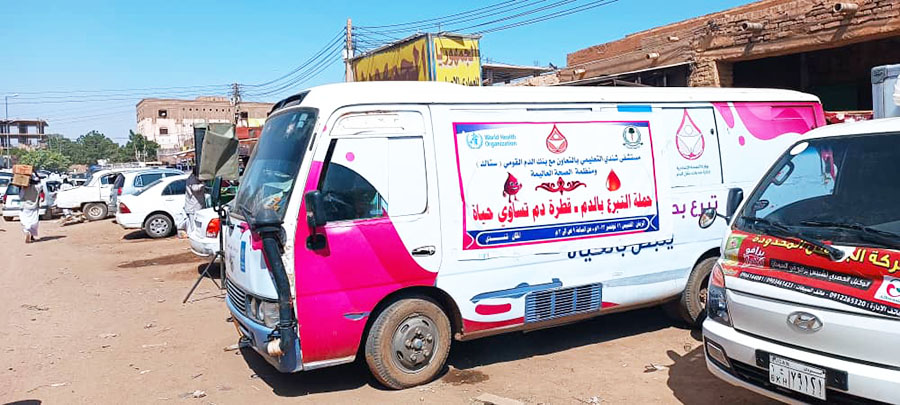
In response, health authorities have launched intensive vector-control campaigns, including large-scale spraying operations using pumps and aircraft, alongside public awareness campaigns on prevention methods and reducing mosquito breeding sites. Nationwide initiatives have also been launched to curb the spread of fevers in the state.
Despite these efforts, significant challenges remain, particularly due to pressure on the healthcare system and limited resources in some areas, which may hinder the effectiveness of rapid response measures.
Concerning Indicators
The situation is not limited to River Nile State. Reports indicate rising dengue cases in several Sudanese states, coinciding with the spread of other diseases such as measles, further complicating the country’s overall health landscape. Health authorities have warned that deteriorating healthcare infrastructure and ongoing conflict could accelerate the spread of diseases.
In a previous report, the World Health Organization warned that Sudan’s healthcare system is on the “brink of collapse,” noting that less than 25% of health facilities are still functioning in the most affected states, while only about 45% are operating at full capacity in less affected areas.
Fears of Complications and Deaths
Although most dengue cases are mild, reports have indicated a limited number of deaths in some areas, with warnings of increasing severe cases if timely and appropriate treatment is not provided.
After two weeks of escalating infections, River Nile State faces a real test of its ability to contain the outbreak. While government efforts continue, public awareness and adherence to preventive measures remain crucial factors in limiting the spread of the disease in the coming period.

