
Updated: 19 March 2026 13:06:11
Eid al-Fitr in the Camps: Between Hope and Pain
By Adam Rijal
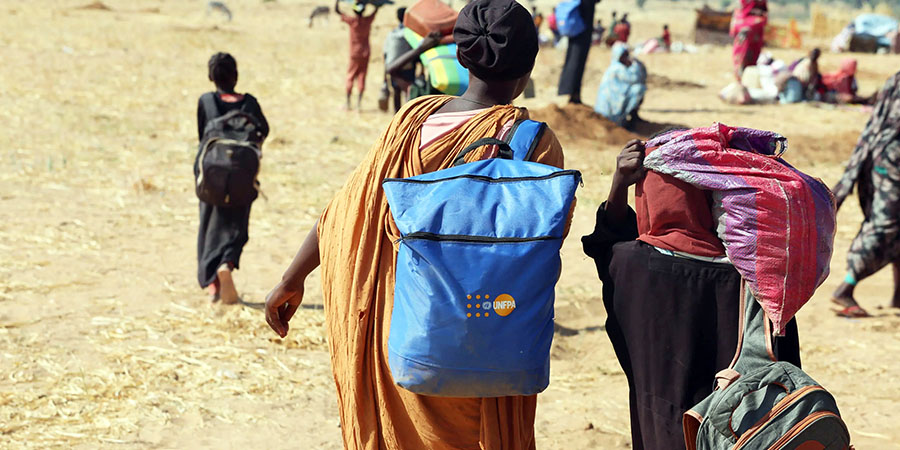
As Eid al-Fitr approaches, a painful paradox defines the lives of displaced Sudanese: a religious and social occasion that is meant to be a time of joy and celebration arrives instead amid harsh humanitarian conditions, turning the holiday into a test of patience and resilience.
For the displaced, Eid is not merely about performing religious rituals; it is a reminder of the homes they left behind, the neighborhoods they were forced to flee, and the social bonds torn apart by war. Many recall vivid images from the past: the sound of takbeer in mosques, exchanging visits, new clothes for children, and the smell of freshly baked goods. In the camps, however, these memories become a source of aching nostalgia, as traditional celebrations fade, replaced by concerns over food and shelter.
The camps suffer from severe food shortages, with rations insufficient to meet basic needs. Clean drinking water is scarce, and healthcare services are nearly nonexistent, exacerbating the suffering of women and children. Many families have lost their breadwinners and now rely entirely on humanitarian aid that arrives sporadically and irregularly.
Despite these difficult conditions, the displaced strive to create small moments of joy: preparing simple meals from whatever is available, even if it is only bread and tea. They exchange greetings within the camps in an effort to revive a sense of solidarity. Children, despite being deprived of new clothes and toys, find comfort in playing together, easing the burden of their reality.
Psychological and Social Dimensions: Eid al-Fitr intensifies feelings of loss and isolation, yet it also opens a window of hope. The displaced cling to the belief that these circumstances are temporary and that one day they will return home. This fragile hope is what gives them the strength to endure.
Moral and Humanitarian Responsibility: Eid should serve as a reminder to the world of its responsibilities toward the displaced. Providing food and medicine is not enough; restoring a sense of dignity and joy to their lives is equally essential. Human solidarity must not be seasonal, but rather a sustained commitment to those who have lost everything.
In the camps, Eid carries a silent message to the world: a call for peace and an end to the conflicts that caused this displacement. It is also a reminder that humanity is measured by its ability to stand with those who suffer, not by prosperity alone. For the displaced, Eid is a celebration filled with patience and hope. Despite the wounds, it remains an occasion to renew determination—to endure, to claim the right of return, and to live with dignity. The voices of takbeer rising in the camps, even among torn tents, carry a promise that joy will one day return, and that human dignity cannot be erased, no matter how long the suffering endures.
