
Updated: 6 March 2026 19:38:31
Sudan: Challenges Facing Returnees from Displacement Areas
Al-Asma‘i Bashari
More than three years after the outbreak of the April 15, 2023 war in Sudan, the International Organization for Migration (IOM), in its report titled “Overview of Displacement and Return in Sudan,” revealed that about 3,682,861 people had returned to their areas of origin by last January. The report recorded a 5 percent increase compared with December 2025, and noted that 17 percent of returnees came from outside the country, while the majority returned from areas of displacement within Sudan.
At the same time, these figures reflect the scale of the displacement crisis Sudan has witnessed in recent years—one that has left profound impacts on the country’s society and economy. The repercussions of this crisis continue despite the gradual return of some populations to their original communities.
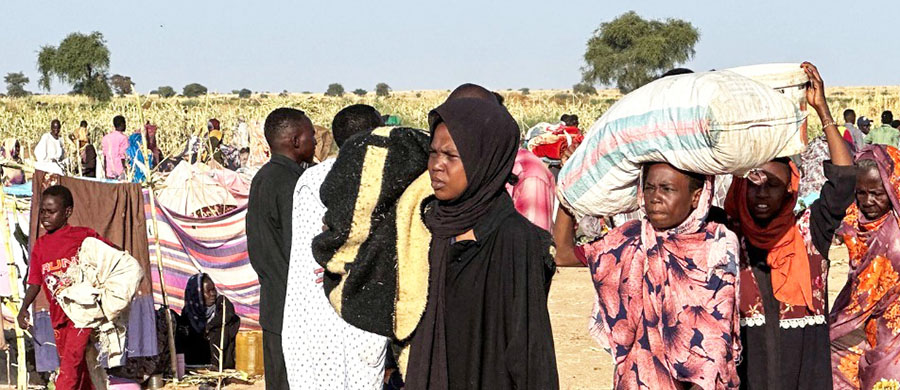
Displacement has been one of the most significant social challenges faced by Sudanese society. Millions were forced to leave their homes and move to other areas in search of safety or livelihoods. This forced movement was not merely a change of residence; it also brought major shifts in social relations and family structures. In many cases, extended families—once a traditional support network within Sudanese society—were fragmented, with members forced to live in different locations or under difficult living conditions.
Displacement also produced noticeable demographic changes in host communities. Some towns and villages experienced rapid population growth as they received large numbers of displaced people, placing considerable pressure on basic services such as education, healthcare, and water supplies.
One of the most significant social consequences of displacement has been the decline in educational opportunities for children and young people. A large number of students dropped out of school due to repeated relocations or the absence of schools in displacement areas. This disruption could have long-term consequences for society, as it affects the formation of human capital and limits opportunities for future development.
Moreover, the experience of displacement is often associated with harsh conditions and psychological trauma resulting from the loss of homes, property, or exposure to distressing events. These experiences can leave deep psychological effects on individuals and families, potentially undermining social stability in affected communities.
Economically, displacement has caused major losses in productive activities across many regions, particularly in rural areas where residents rely on agriculture and livestock. When farmers are forced to abandon their land, agricultural production either stops or declines significantly, leading to reduced food output and increased reliance on humanitarian assistance in some areas.
The abandonment of local markets, small shops, and artisanal businesses has also weakened economic activity in many communities that experienced large waves of displacement.
On the other hand, areas that hosted large numbers of displaced people faced different economic challenges. Demand for goods and services rose sharply over a short period. In some cases, this surge in demand led to increases in the prices of essential goods and housing rents, affecting the living conditions of both host communities and displaced populations.
At the same time, infrastructure in urban areas—such as water networks, electricity systems, and roads—came under increasing strain. This required additional efforts by local authorities and humanitarian organizations to meet the growing needs.
Displacement has also resulted in many workers losing their jobs or sources of income, contributing to rising levels of unemployment and poverty. Many displaced people found themselves in new locations where job opportunities were limited, forcing some to take unstable or low-income work. This situation weakens the economic resilience of families and increases their dependence on external support or humanitarian aid.
Despite the significant challenges created by displacement, the return of more than three million people to their home areas represents an important step toward social and economic recovery. However, the process of return itself faces many obstacles, as many of the areas to which people are returning suffer from damaged infrastructure or a lack of essential services.
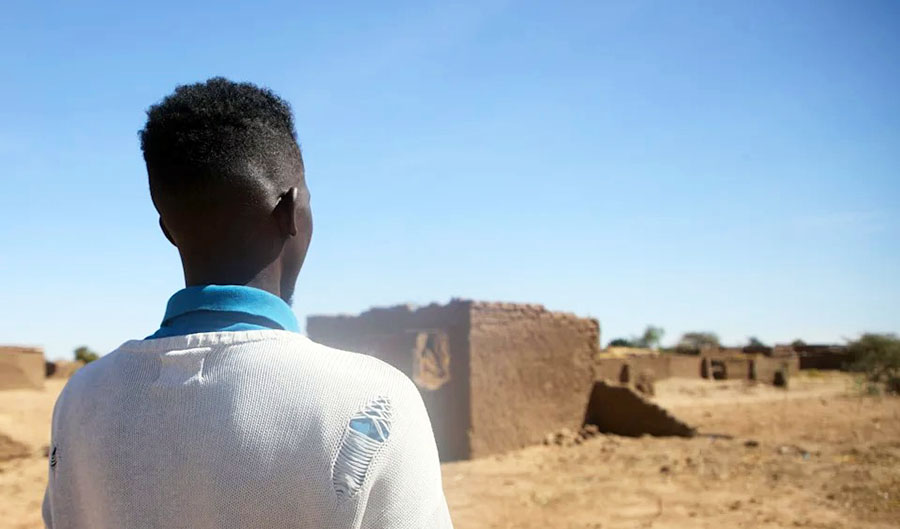
In some villages and towns, homes, schools, and health centers have been damaged, making a full return to normal life a process that will require time and substantial reconstruction efforts.
Reviving economic activity in areas that experienced widespread displacement also requires direct support for livelihoods, particularly in agriculture and small-scale trade. Enabling returnees to resume their work or cultivate their land again is a key factor in ensuring their stability and preventing new waves of displacement.
In addition, strengthening social cohesion and rebuilding trust among local communities are essential elements for achieving long-term stability.
The figures released by the International Organization for Migration reflect the scale of transformations Sudan has undergone in recent years. Displacement has not merely been a movement of people, but a phenomenon with deep social and economic consequences. While the return of millions is a positive indicator of the potential for recovery, addressing the impacts of displacement will require sustained efforts by the government, society, and international organizations to rebuild affected communities and promote sustainable development that restores stability to the lives of citizens.

