
Updated: 23 February 2026 20:29:44
Sudanese Refugee Crisis in Libya Worsens at Start of 2026
Moatinoon
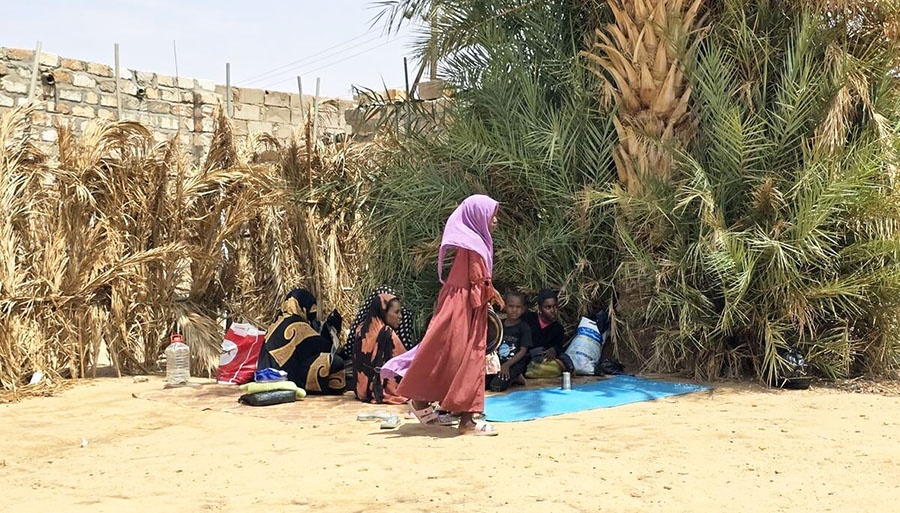
Estimates by the UN Refugee Agency (UNHCR) indicate that more than 552,170 Sudanese refugees have arrived in Libya since the conflict erupted in April 2023, including 89,848 individuals officially registered at its Tripoli registration center.
The southeastern city of Kufra remains the main entry point, receiving nearly 340,000 arrivals. Tightened border security in the “triangle” region has forced refugees onto longer and riskier routes, while arrivals through Chad have dropped to about 70 people per day.
Children under 18 represent a large share of registered refugees. Women account for 43%, compared with 57% men.
Sudanese Refugees are facing urgent needs and challenges. Despite policy decisions allowing Sudanese children to enroll in schools without residency requirements, practical obstacles still hinder access.
Refugees face barriers to public healthcare due to lack of documents, high costs as foreigners, and limited hospital capacity.
The report warns that repeated raids heighten risks of arbitrary detention and forced return, particularly for vulnerable groups.
As the war nears its fourth year, UNHCR and 123 partners are seeking 1.6 billion to assist 5.9 million displaced people across seven neighboring countries. The 2026 Regional Refugee Response Plan prioritizes life-saving aid for an estimated 470,000 new arrivals expected this year.
Regional director Mamadou Dian Balde said launching a fourth annual appeal underscores the war’s continuing impact, stressing that Sudan remains “the world’s largest displacement crisis and worst humanitarian emergency,” amid widening gaps between needs and resources.
He noted that thousands continue to cross borders weekly into already fragile host areas where services and economic opportunities were limited even before the crisis.
Egypt hosts about 1.4 million Sudanese, but funding cuts forced UNHCR to close two of its three registration centers and reduce monthly support per refugee from 11 to 4.
In eastern Chad, more than 71,000 refugee families lack shelter assistance, while 234,000 people await resettlement.
In Uganda, clinic closures and suspended nutrition programs in Kiryandongo camp have increased disease risks.
A report by UN Secretary-General António Guterres called for ending arbitrary detention and ensuring refugee protection in Libya, as the UN reviews its refugee strategy amid mounting humanitarian and financial pressures.
