
Updated: 8 September 2025 21:36:21
Sudan on the Brink of Health Collapse: Deadly Epidemics, Silent Deaths of Mothers and Children

By Aisha Al-Samani – Khartoum,Femal journalsts network
Sudan is facing one of the gravest humanitarian and health crises in its modern history. The war that erupted on 15 April 2023 has pushed the health system to near total collapse, leaving millions without treatment amid rampant epidemics, medicine shortages, and the mass flight of medical professionals.
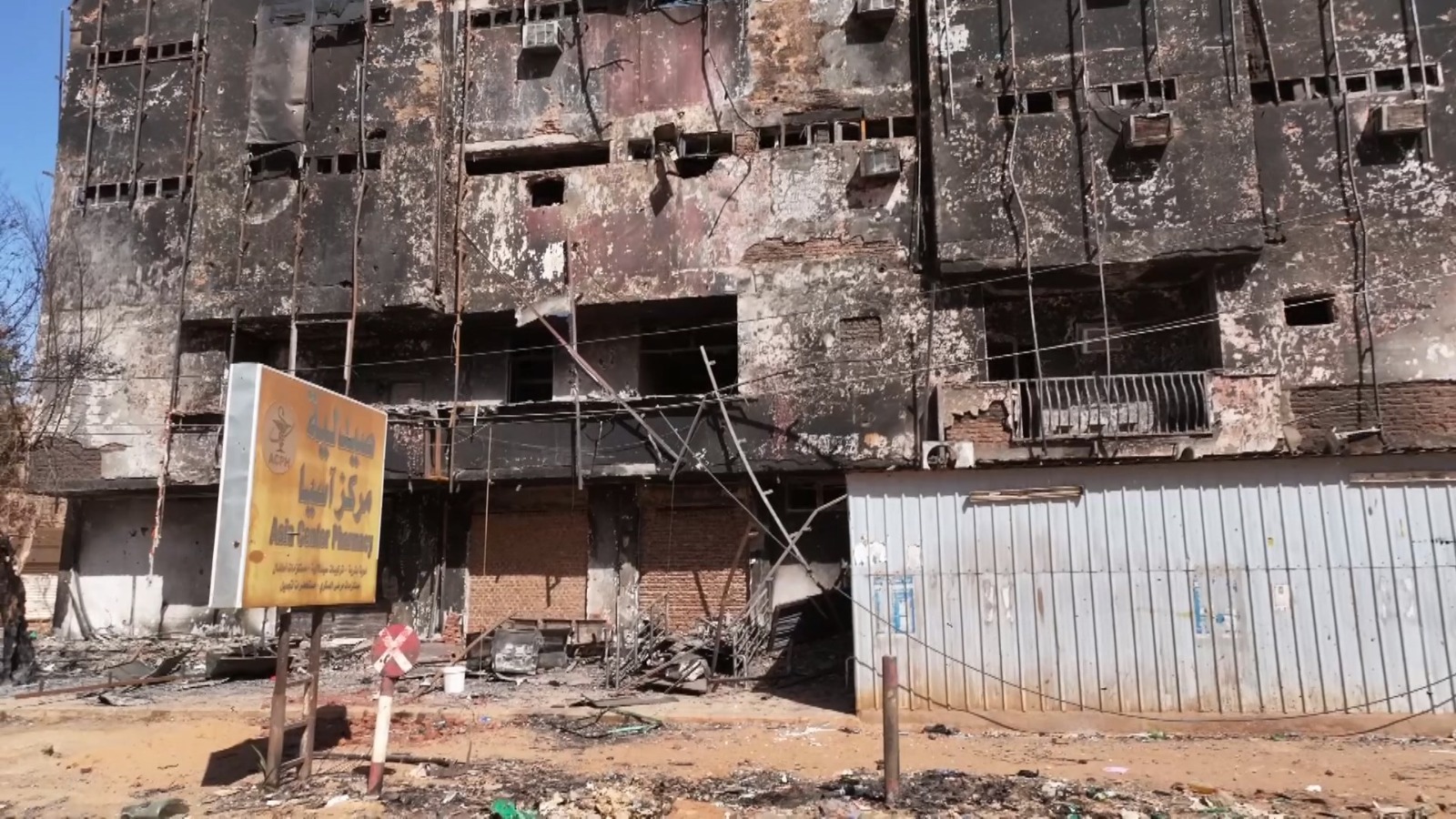
According to Sudan’s Ministry of Health, 70% of hospitals and health facilities are out of service across Khartoum, Darfur, Kordofan, Gezira, and Sennar states, as well as parts of Blue Nile and White Nile. More than 250 public and private hospitals have been shut down.
The ministry also reported that over 60% of pharmacies and medical warehouses are non-functional, due to looting and destruction. The collapse of environmental health services has fueled outbreaks of malaria, cholera, and dengue fever.
The humanitarian fallout has worsened malnutrition, particularly among children under five. The health sector’s total losses are estimated at 11.04 billion, including destroyed facilities, medical equipment, ambulances, and medicines.
A Mother’s Silent Death
In a village in Gezira State, Fatima (name changed) went into labor with no clinic or midwife nearby. Forced to deliver at home, she suffered heavy bleeding. Her family carried her on a donkey cart for 12 hours to reach the nearest health center—only to find she had died on arrival.
Fatima’s tragedy is not isolated. Across Sudan, from Darfur to Khartoum, women are dying in silence for lack of basic maternal care, casualties of a shattered health system.
Deadly Disease Outbreaks
Dr. Adeeba Ibrahim El-Sayed, internist and epidemiologist with Sudan’s Doctors Syndicate, said hundreds of meningitis cases have been recorded in eastern Sudan, Omdurman, and Gezira, causing dozens of deaths. Malaria has reached 1.84 million cases, with over 321,000 deaths.
More than 698,000 kidney patients are deprived of dialysis and medicine, while millions with chronic diseases such as diabetes and hypertension face critical shortages, including insulin.
She added that 890 confirmed dengue fever cases were recorded in Khartoum and Omdurman, alongside a nationwide surge in malaria, chikungunya, and cholera—claimed to have infected over 316,000 people.
Mysterious Fevers in Gezira
In Abu Ushar and surrounding villages, unidentified fevers are killing patients within 24–48 hours, with 5–6 deaths reported daily. Tests ruled out dengue, while poor water sanitation, electricity cuts, and sewage leaks are suspected contributors.
Local communities submitted petitions to authorities, awaiting an official response, as outbreaks worsen under dire living conditions in displacement camps.
WHO Sounds the Alarm
The Ministry of Health and the World Health Organization (WHO) have warned of severe epidemics: cholera (over 316,000 cases), dengue (576,000 cases), malaria, tuberculosis, and malnutrition.
WHO reports nearly 60,000 confirmed cholera cases and 1,640 deaths. Malaria, acute respiratory infections, diarrheal diseases, and acute malnutrition remain the most widespread health threats.
Women and Children at Extreme Risk
Women bear the heaviest burden. More than 1 million pregnant women lack prenatal and maternal care. An estimated 176,000 pregnant women suffer from malnutrition, alongside 850,000 breastfeeding mothers.
Since the war began, 45,000 children have died of malnutrition, and maternal mortality has spiked to 295 deaths per 100,000 live births. Child mortality has risen to 51 deaths per 1,000 births.
In South Darfur alone, Médecins Sans Frontières documented 46 maternal deaths and 48 newborn deaths in just a few months, most due to lack of care.
Calls for Urgent Action
Sudanese doctors and civil society groups are calling for safe humanitarian corridors, essential medicines, maternal and child health services, and protection for women and girls from sexual violence. They urge WHO and international actors to provide dialysis support, medicines, and sanitation programs in displacement camps.
Health experts warn that without urgent international intervention, Sudan risks a catastrophic death toll in the coming months.
- This report is published by the Sudan Media Forum and partner institutions, based on an investigation by Femal journalsts network. It highlights the near-total collapse of Sudan’s health sector under war conditions, the spread of epidemics, and the disproportionate toll on women and children. The continuation of the conflict threatens to trigger an even wider humanitarian disaster.
